Blog15 min read
What the First 90 Days Look Like When You Hire a Rescue Team for Your Failing Codebase
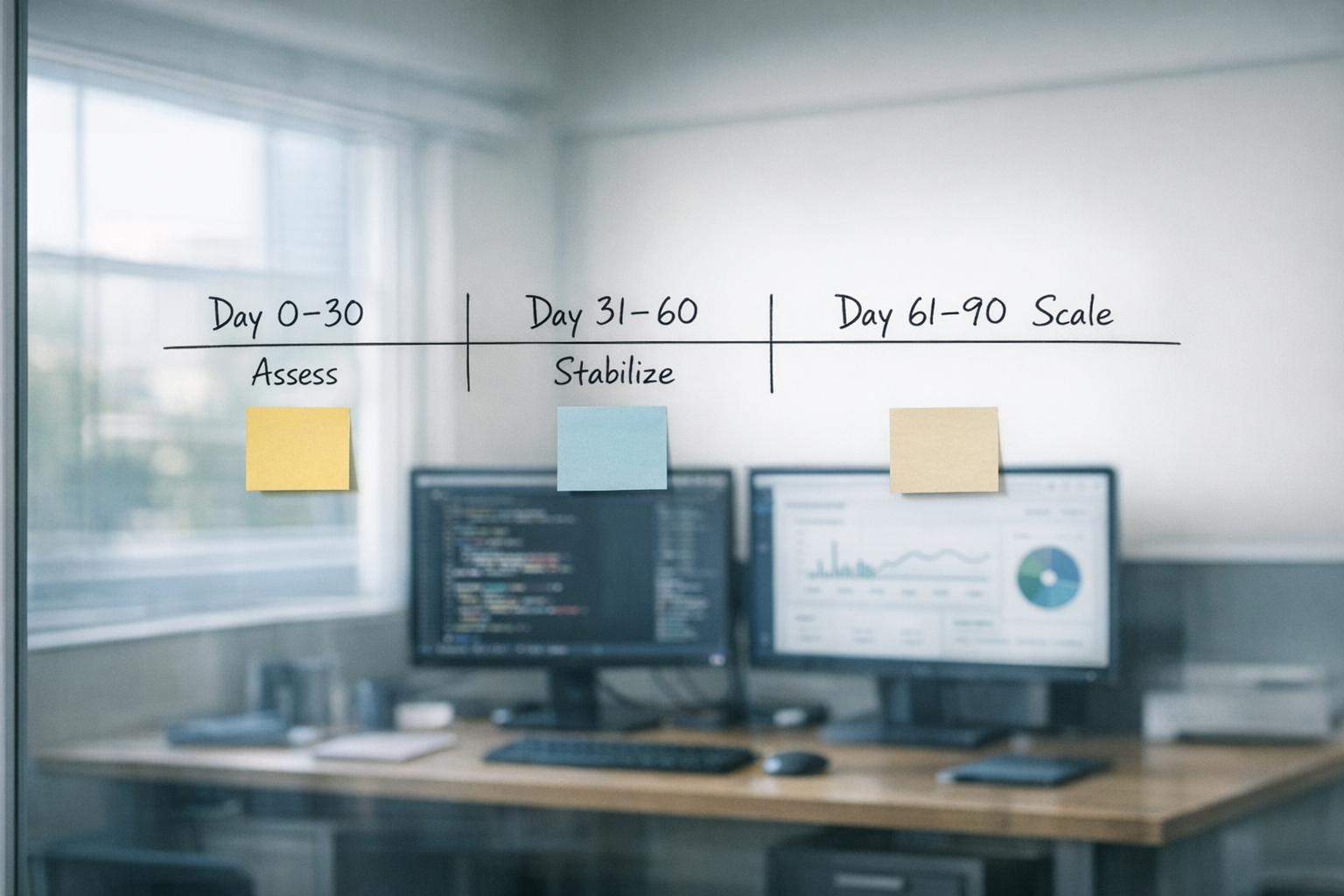
90-day rescue plan: assess failing code, stabilize production, fix critical bugs, and reduce technical debt for scalable growth.
Read article
Blog
Field notes on shipping AI-native systems with human engineering judgement: architecture, modernisation, automation, and the tradeoffs in between.
90-day rescue plan: assess failing code, stabilize production, fix critical bugs, and reduce technical debt for scalable growth.

AI scans 100K+ lines fast but lacks business context and architectural judgment-use AI for scans and humans for validation.

What a $300K engagement gone wrong leaves behind: hardcoded keys, duplicated logic, N+1 queries and undocumented schema drift, and the published recovery patterns that address each.

When startups pass $2M ARR, hidden issues surface: fragile architecture, tech debt, team, CRM, and infra - and how to fix them.

AI can draft designs fast but lacks production history and hidden dependencies-use it for analysis, keep humans as final architects.
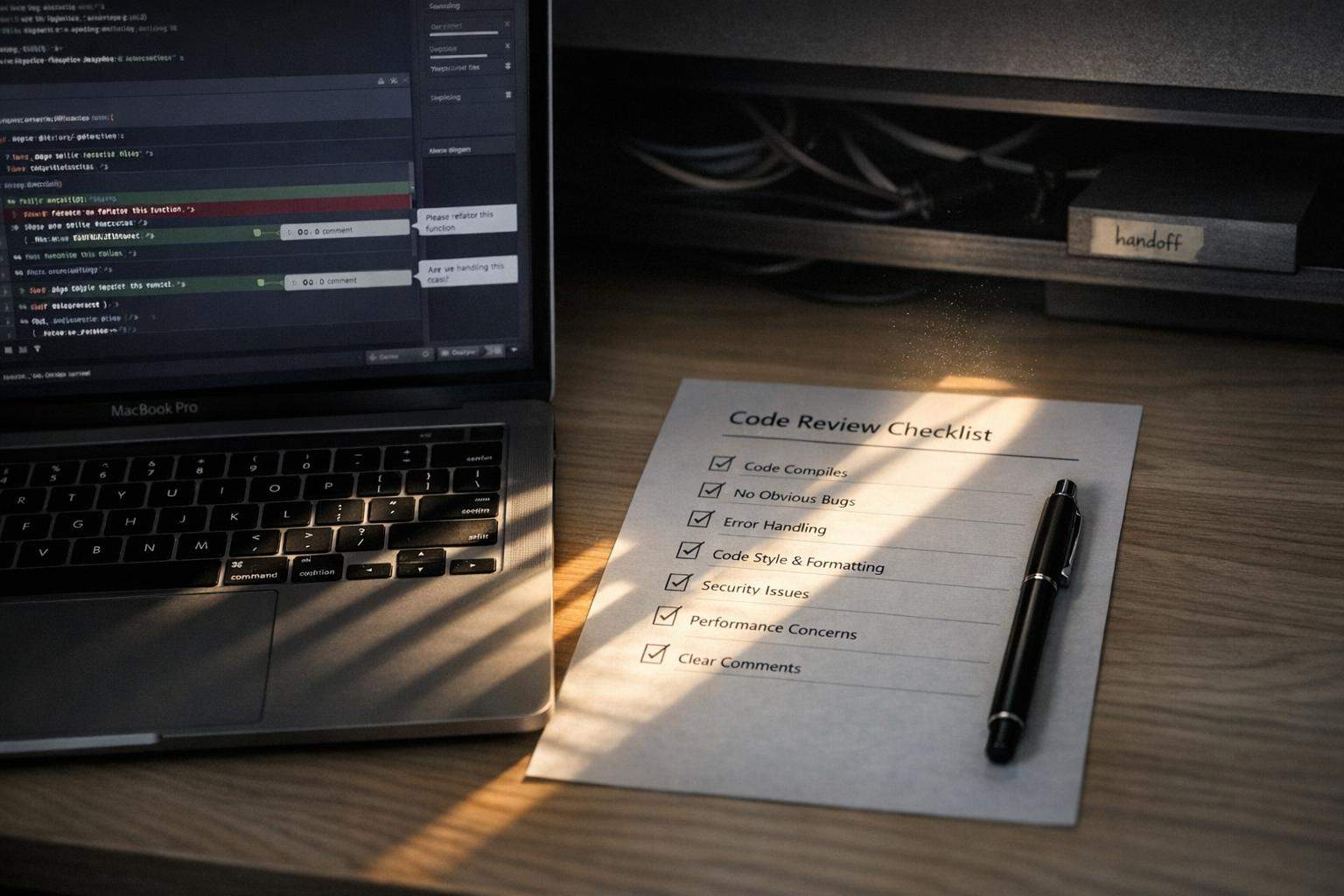
Fast outsourced deliveries often mask security flaws and technical debt that can cripple growth without proper code reviews and handoffs.

Compare Three.js WebGPURenderer and native WebGPU for construction 3D viewers: performance, compute shaders, memory and migration tips.
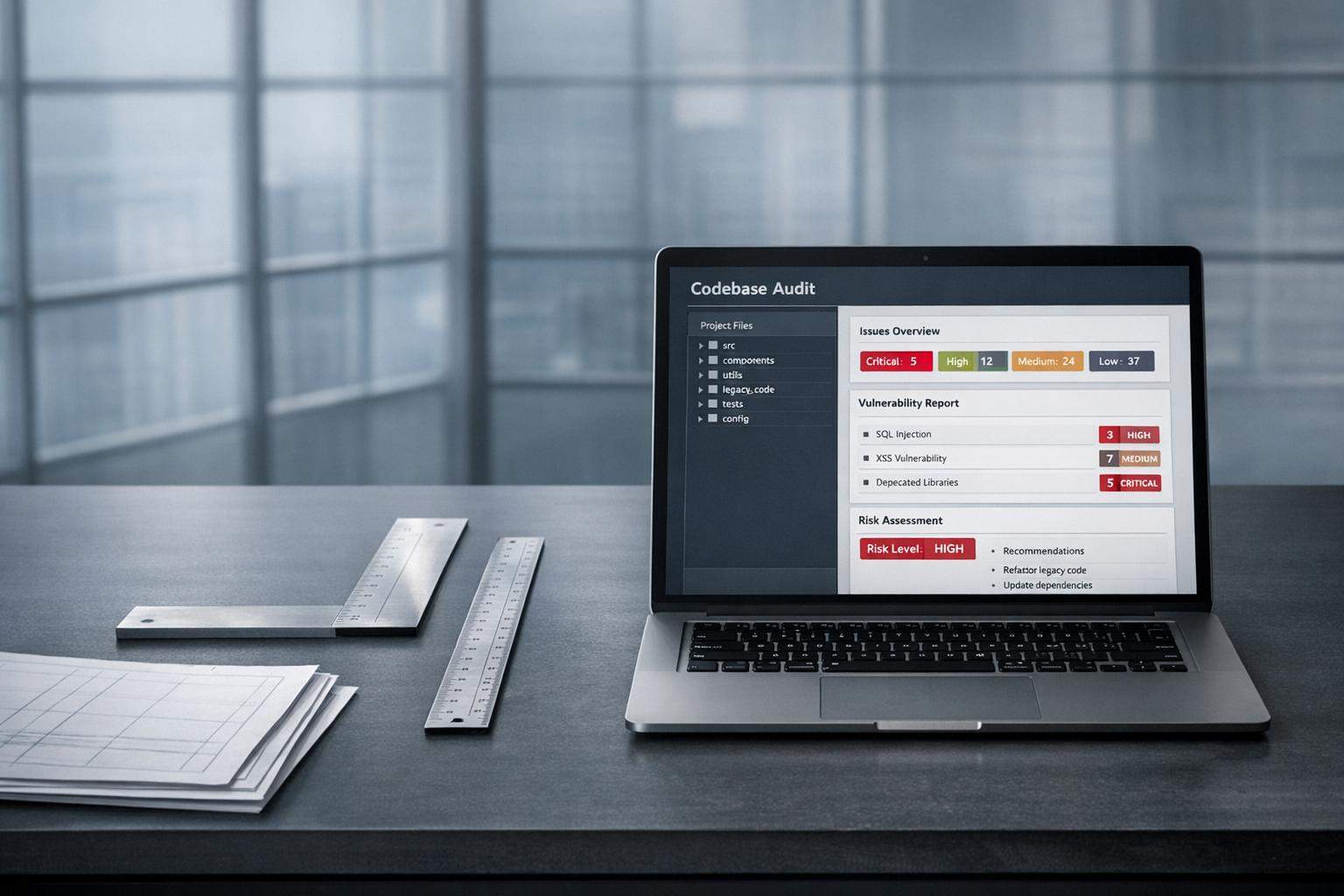
Audit your codebase before hiring to find vulnerabilities, cut technical debt, and make smarter, cheaper hiring decisions.

Most SaaS users churn within 90 seconds; analytics show where they leave, not why-streamline onboarding, remove friction, and boost retention.

AI cuts junior dev hiring, creating skill gaps, senior burnout, and future shortages-startup hiring must rebuild the talent pipeline.

At 200K+ users, technical debt turns speed into outages, churn and burnout. Use refactoring, AI diagnostics, and a traffic-light roadmap.

Spot and fix hidden frontend issues-FID variability, TTI degradation, and multi-page CLS-using RUM and web-vitals to improve real user experience.