Blog17 min read
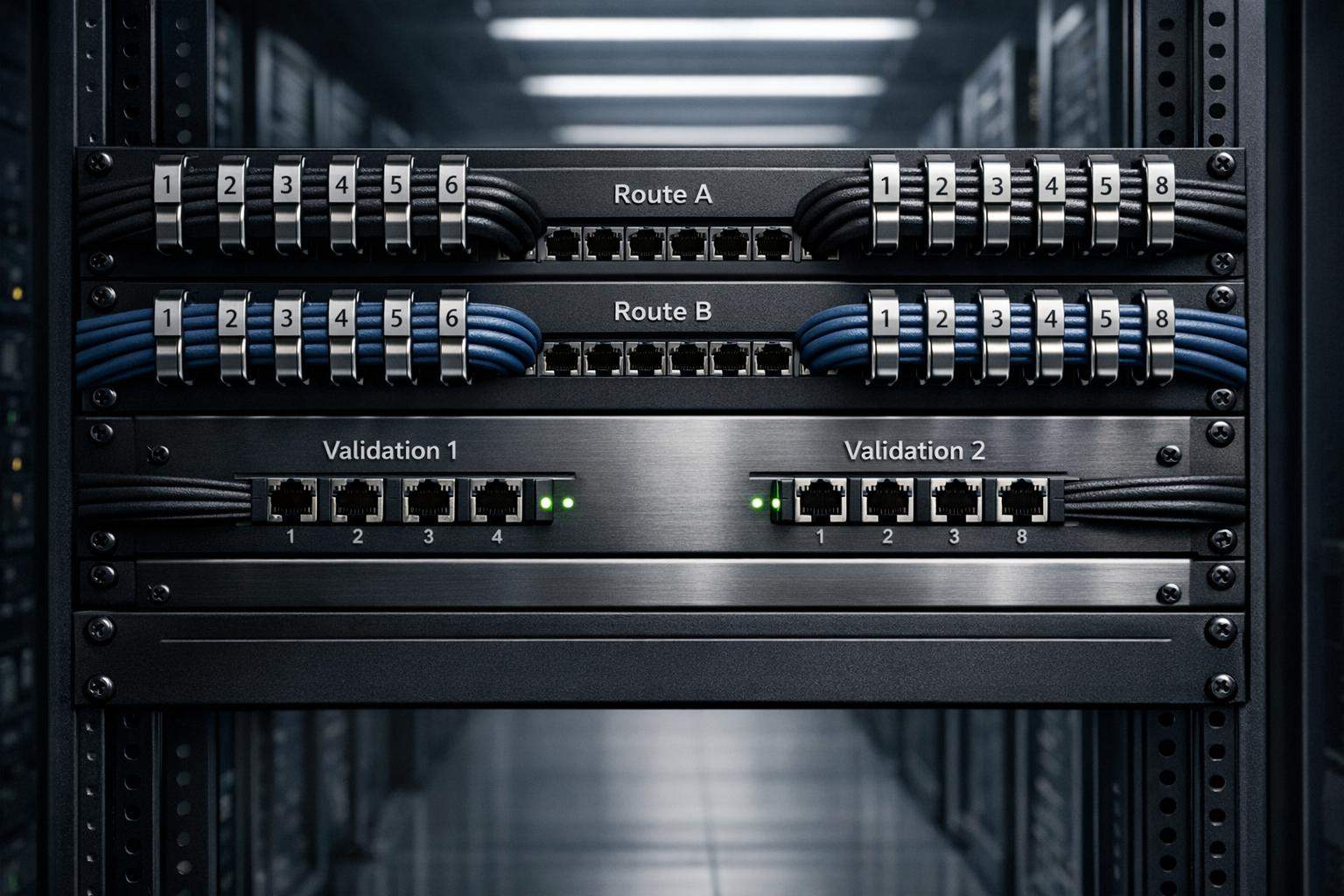
Tool-Calling Reliability: 90% Per Call = 35% Over 10 Steps
LangGraph, CrewAI, AutoGen and LlamaIndex compared on tool selection, parameter accuracy, error recovery and retries, and why step count compounds failure.
Read article
Blog
Field notes on shipping AI-native systems with human engineering judgement: architecture, modernisation, automation, and the tradeoffs in between.
LangGraph, CrewAI, AutoGen and LlamaIndex compared on tool selection, parameter accuracy, error recovery and retries, and why step count compounds failure.
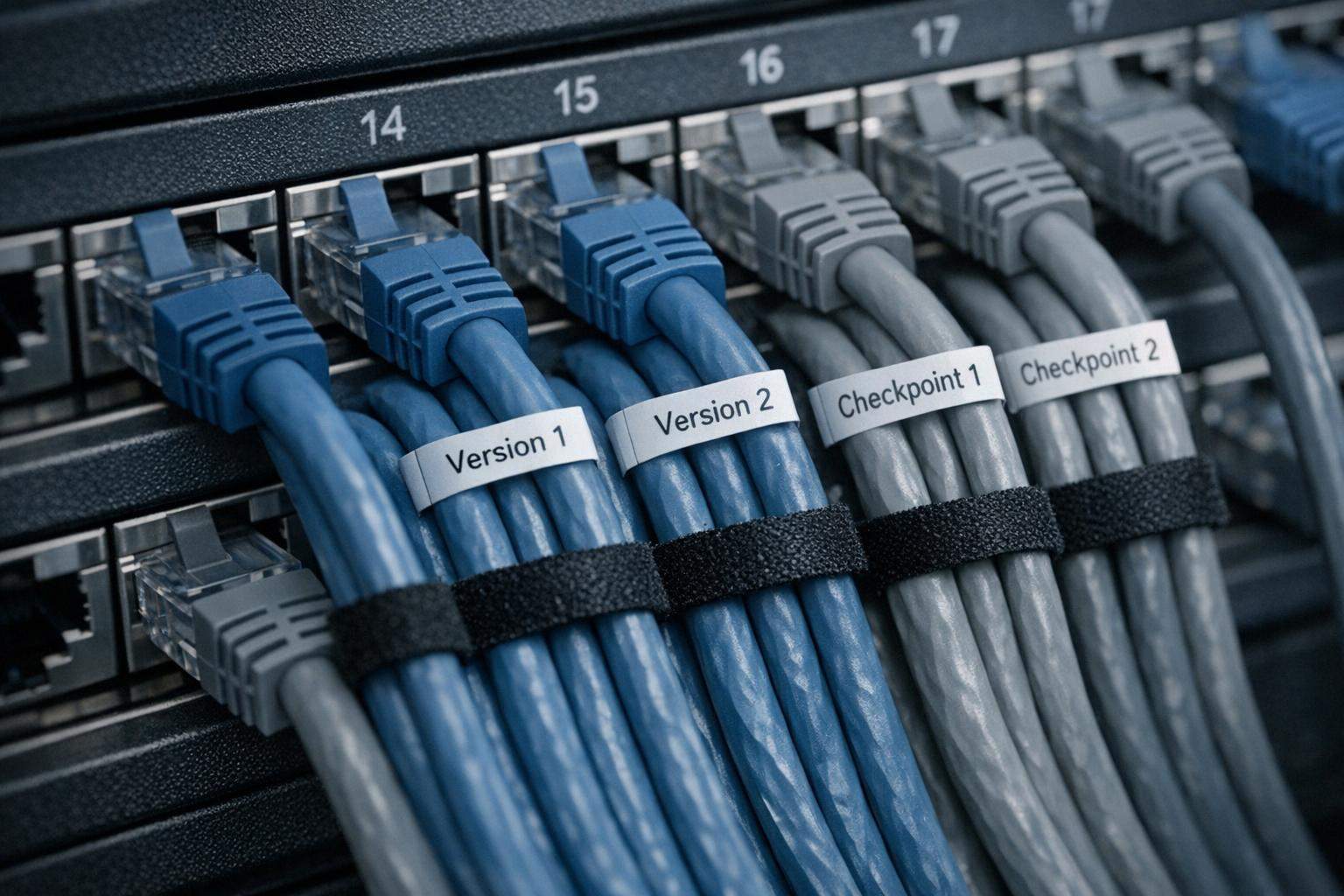
State is a contract: use durable checkpointers, reducers, pruning, and schema versioning to make LangGraph agents production-safe.
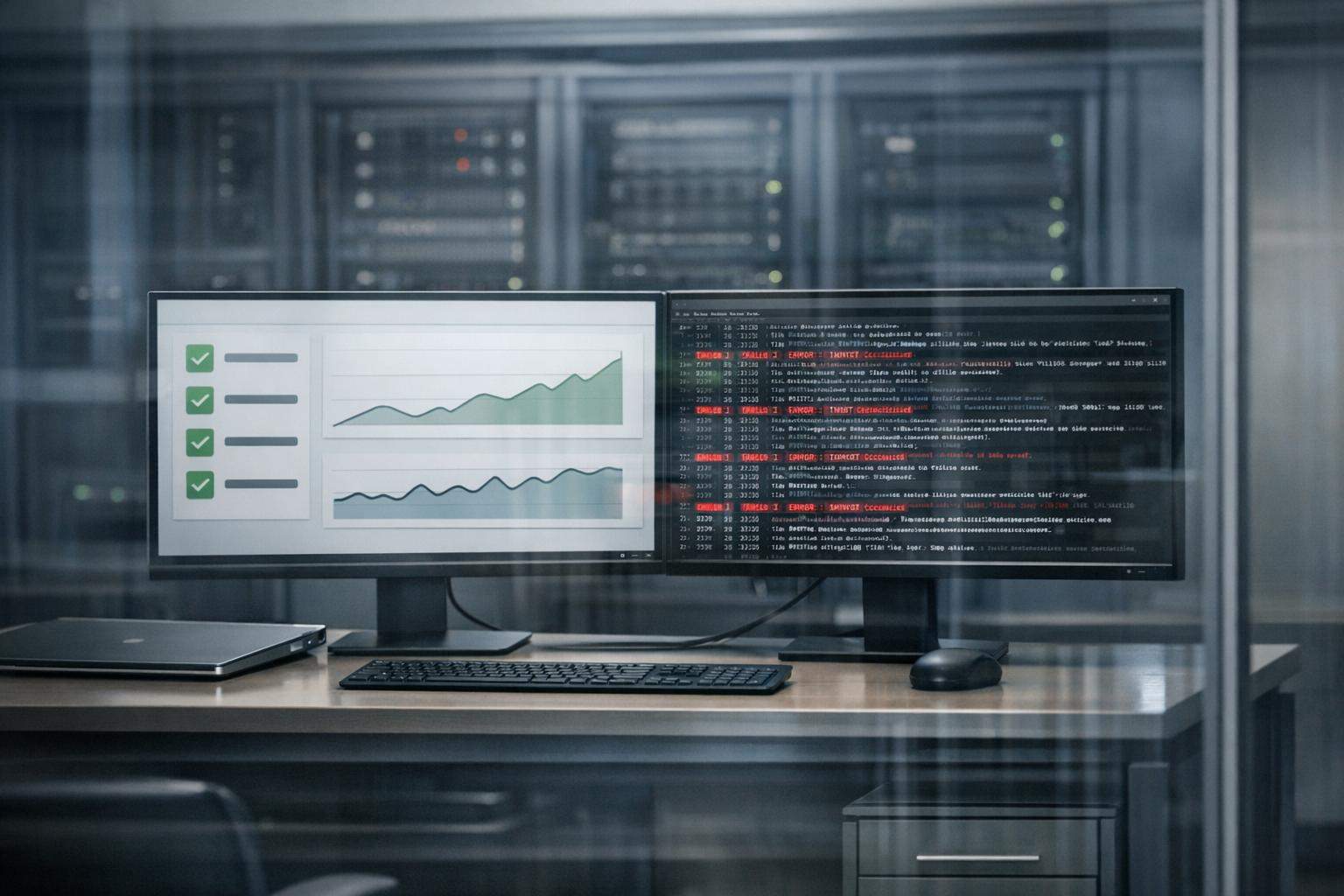
Benchmarks test one perfect run; production needs consistency. Pass-consistency, chaos testing, trajectory validation and p95/p99 latency explained.
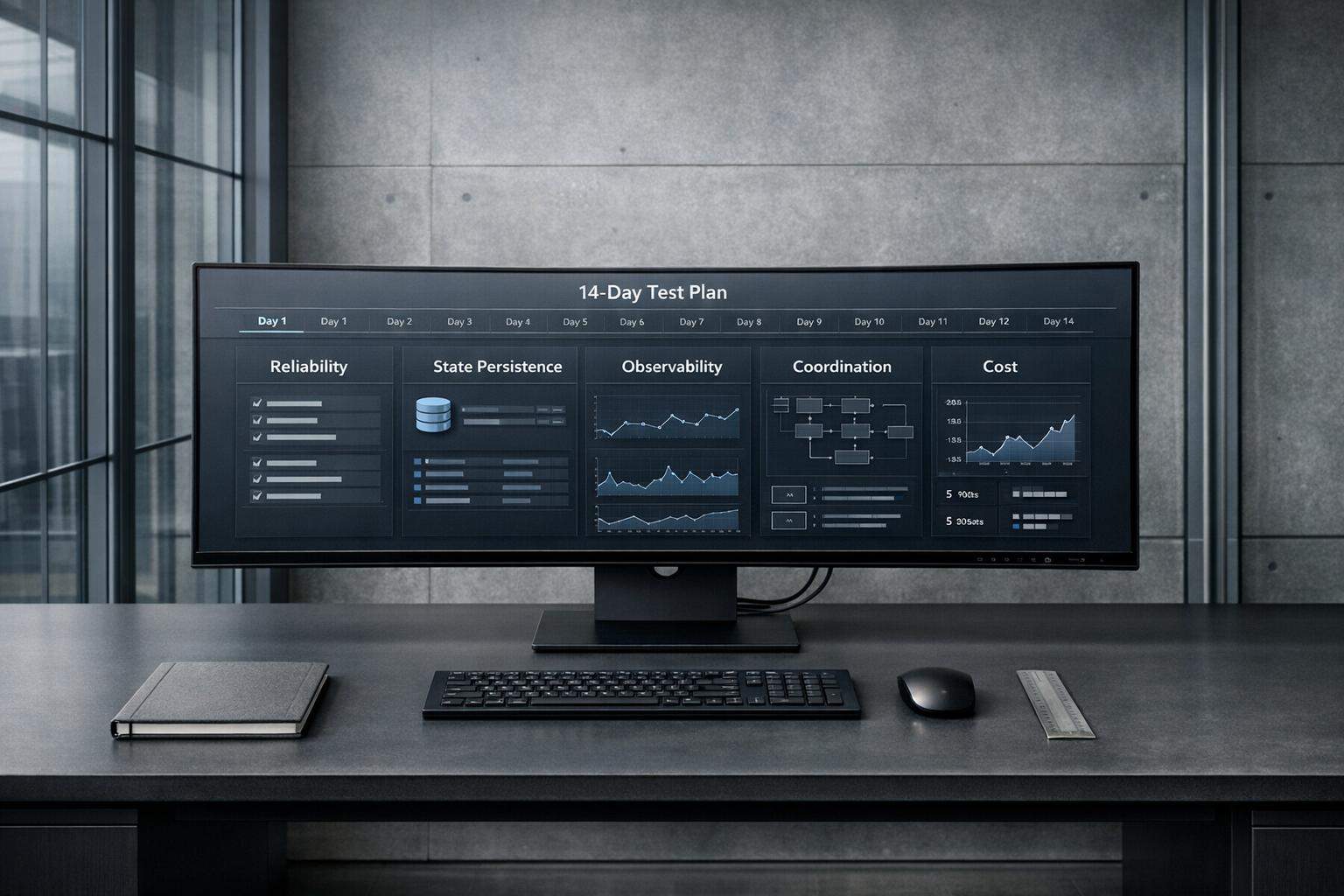
Criteria and a two-week test plan for picking an AI agent framework: reliability, state persistence, observability, coordination, and cost.

Language detection, STT model choice and a three-tier fallback for multilingual voice agents. Whisper Large-V3 for accuracy, Vosk offline, under 1,000ms.
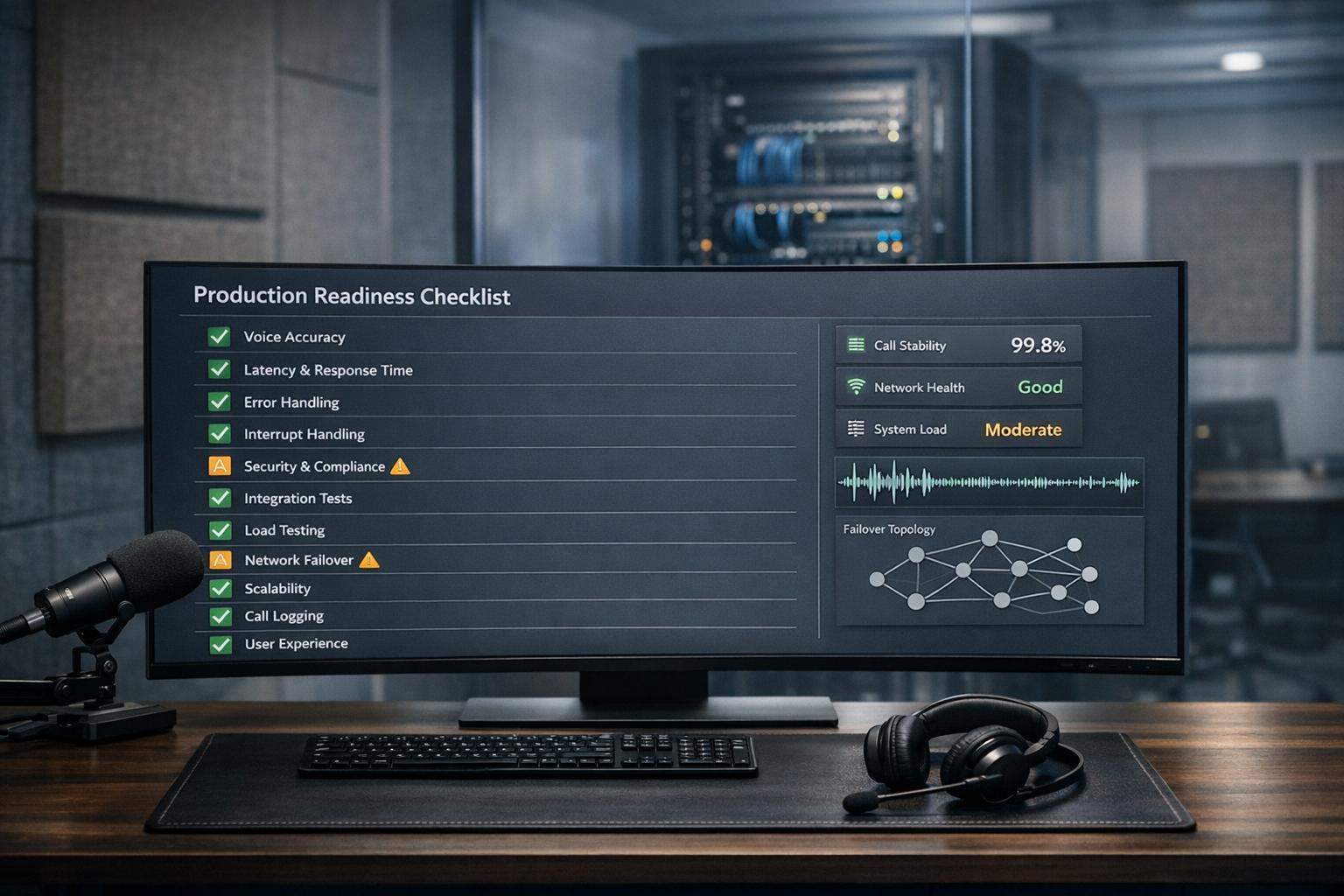
11 critical stress tests to ensure enterprise voice agents handle noise, interruptions, networks, PII, load, and failover.
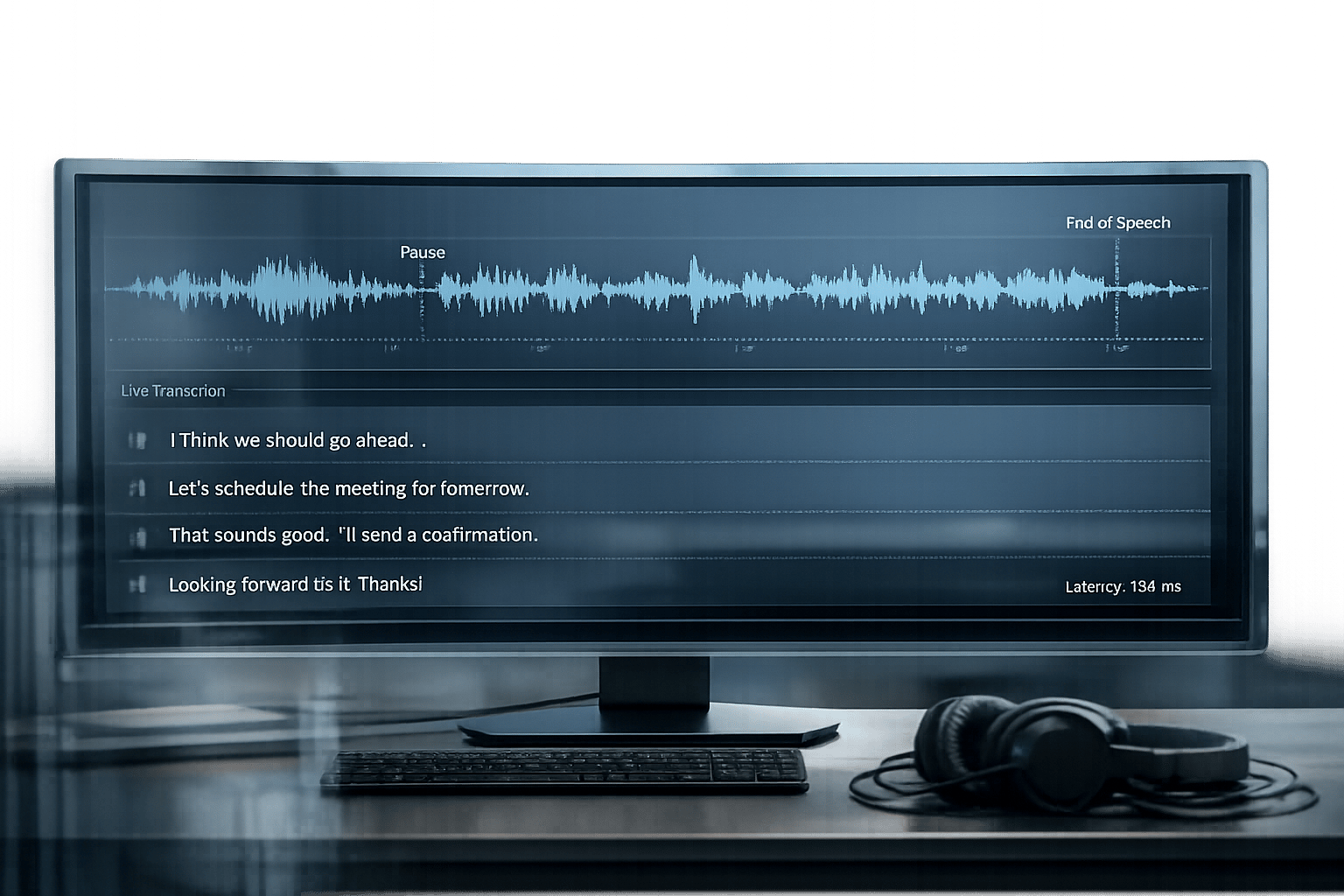
Why VAD fails in real-world voice agents and how hybrid acoustic+semantic methods reduce cutoffs, false triggers, and latency.
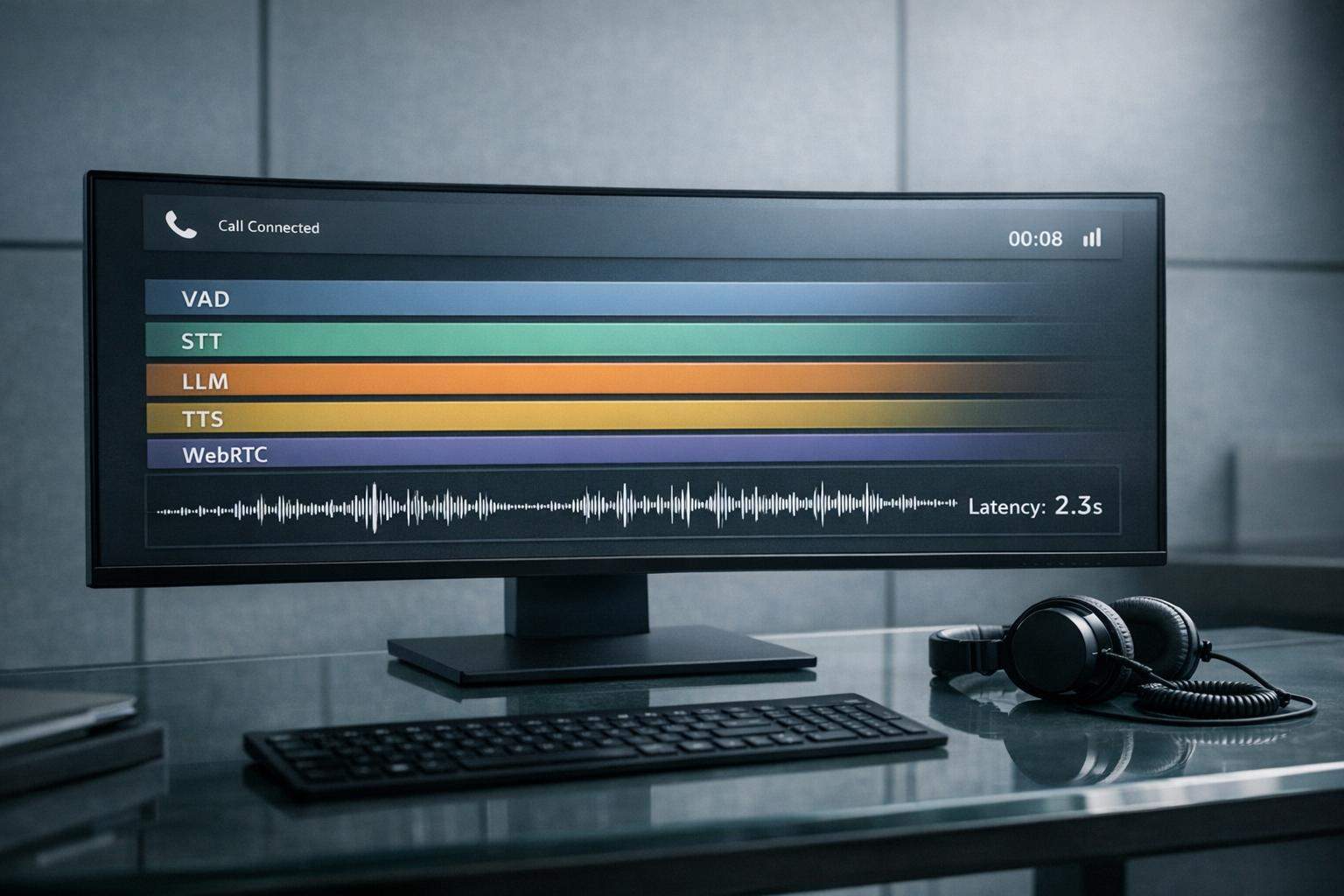
Break down where 2-3s voice-agent lag comes from and how streaming VAD/STT/LLM/TTS plus WebRTC cuts perceived latency.

When Document AI misreads $38,000,000 as $88,000,000 the model is fine and the extraction layer is broken. Where OCR, reading order and tables go wrong.

How LangGraph, CrewAI, and AutoGen compare on the things that decide a production deployment: state persistence, cost per task, failure behaviour, and scalability.
A stage-by-stage approach to technical debt across validation, growth, and scale: what to let slide, what to refactor, and what blocks enterprise readiness.
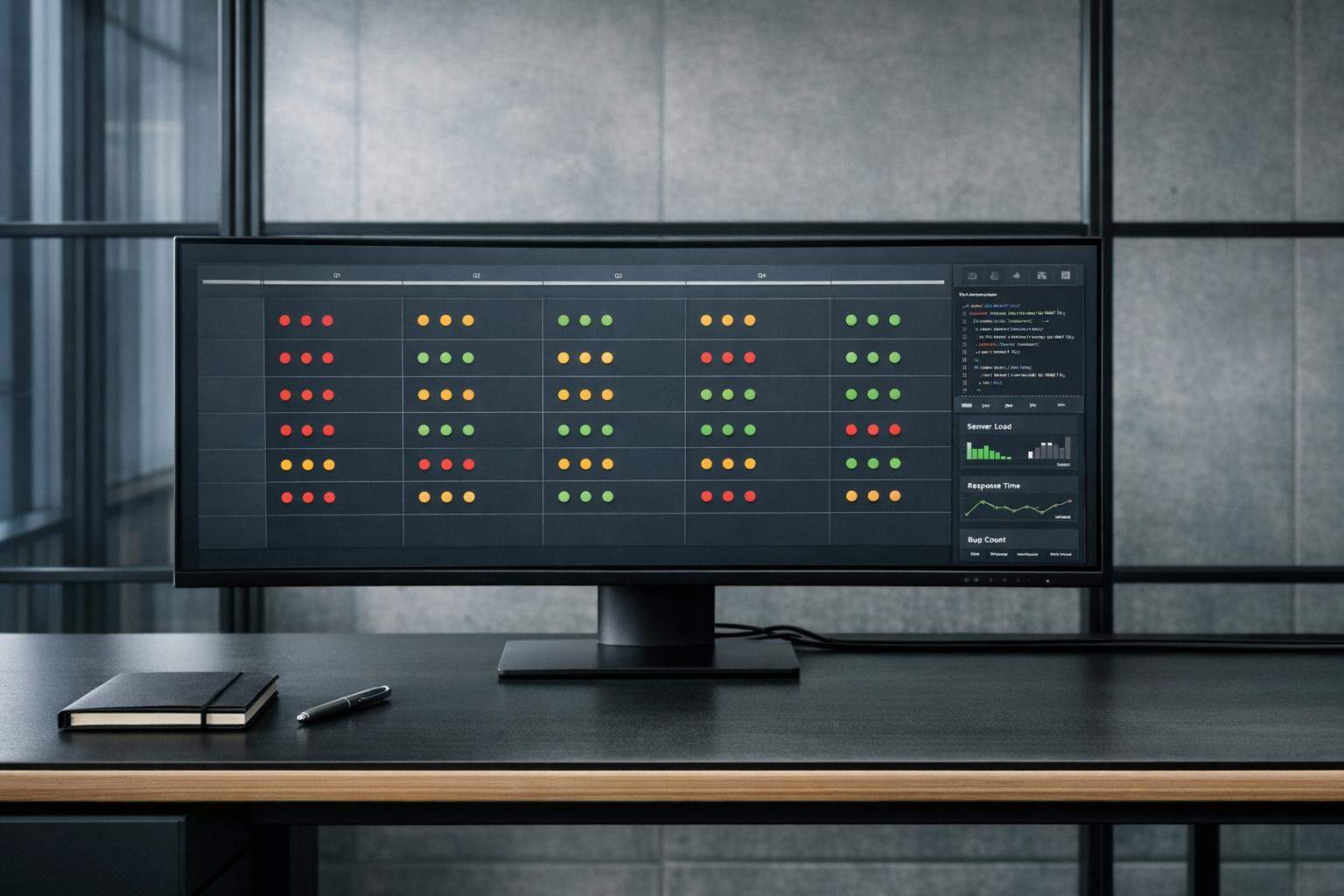
Technical debt is a deliberate tool - manage, measure, and repay it with traffic-light roadmaps, AI detection, and business-aligned timing.