What Founders Get Wrong About Technical Due Diligence (And What VCs Should Actually Ask)
Why founders’ polished demos hide real risks-and the exact questions VCs should ask about architecture, technical debt, dependencies, and team readiness.
Blog
Field notes on shipping AI-native systems with human engineering judgement: architecture, modernisation, automation, and the tradeoffs in between.

Why founders’ polished demos hide real risks-and the exact questions VCs should ask about architecture, technical debt, dependencies, and team readiness.

Start planning migration at $5k-$15k MRR. Watch for slow pages, compliance gaps, blocked features, rising costs, and fragile workflows; use phased migration.

AI speeds coding but lengthens reviews, increases incidents and technical debt. Use governance, AI-agent scans, and milestone refactoring to recover velocity.

Stateless AI coding assistants forget past incidents, causing repeated bugs and outages; build structured memory, logging, and CI checks to prevent repeats.

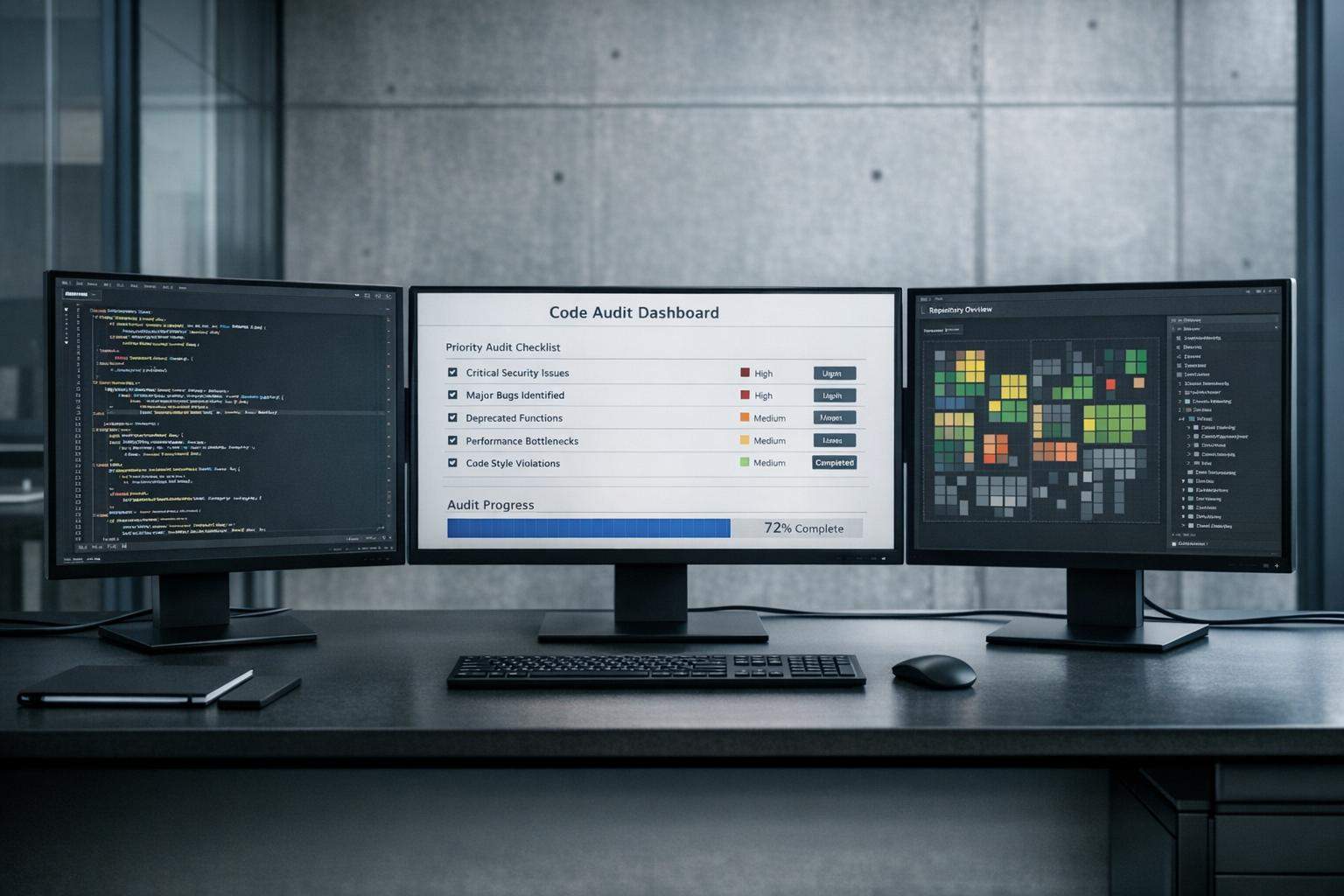
Audit 100K lines in 48 hours using context-aware AI, manual validation, and business-impact prioritization to avoid false positives and cross-repo blind spots.

AI multiplies senior developers’ productivity but raises defect and review burdens for juniors; structured training, oversight, and roadmaps reduce risk.

AI-generated code causes a repeatable set of failures: missing context, outdated APIs, weak error handling, and duplicated logic. The fixes, tests, and staged rollouts that catch them.

AI-produced code can look clean but hide edge-case bugs, duplicated logic, and architectural debt that often break during refactoring.

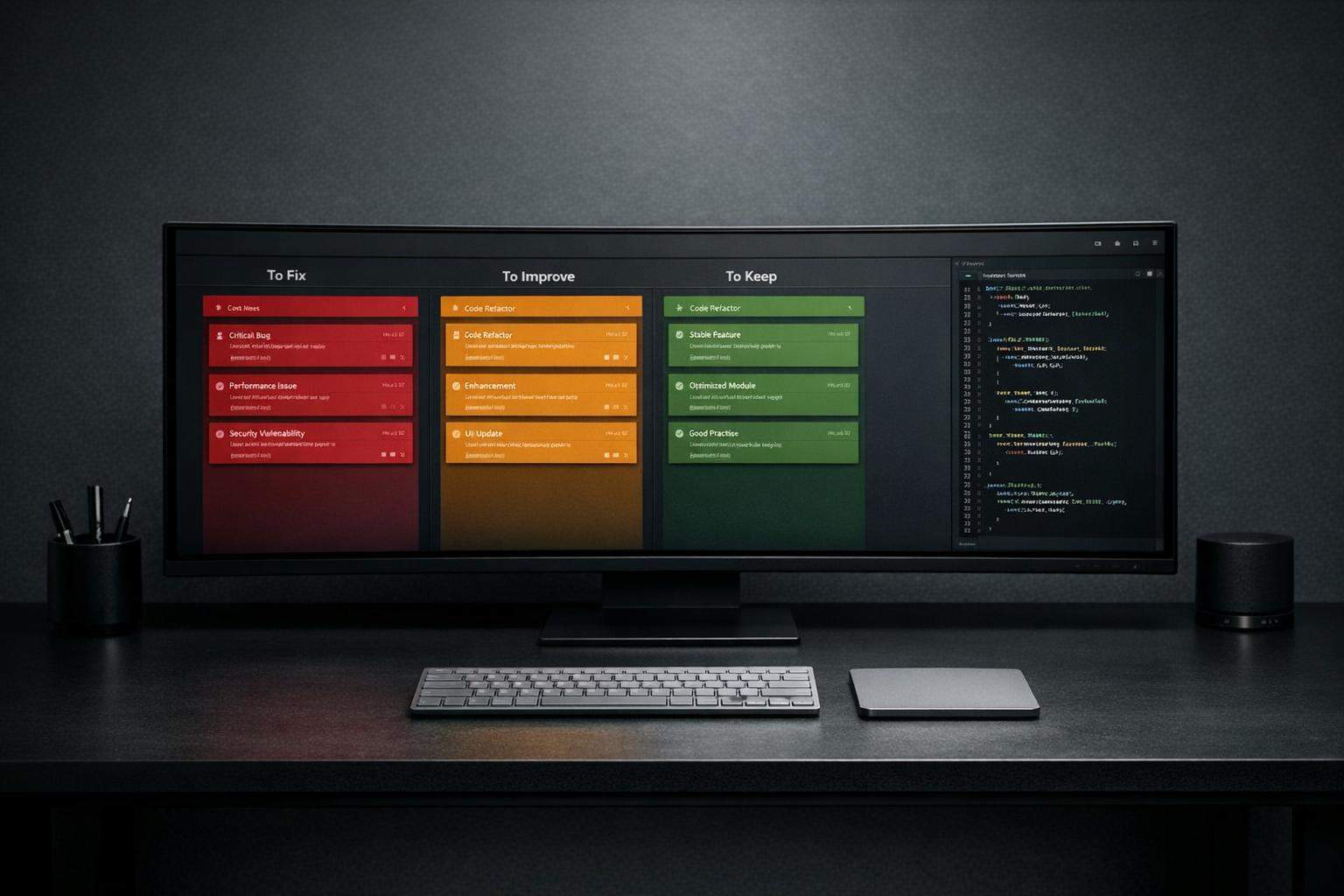
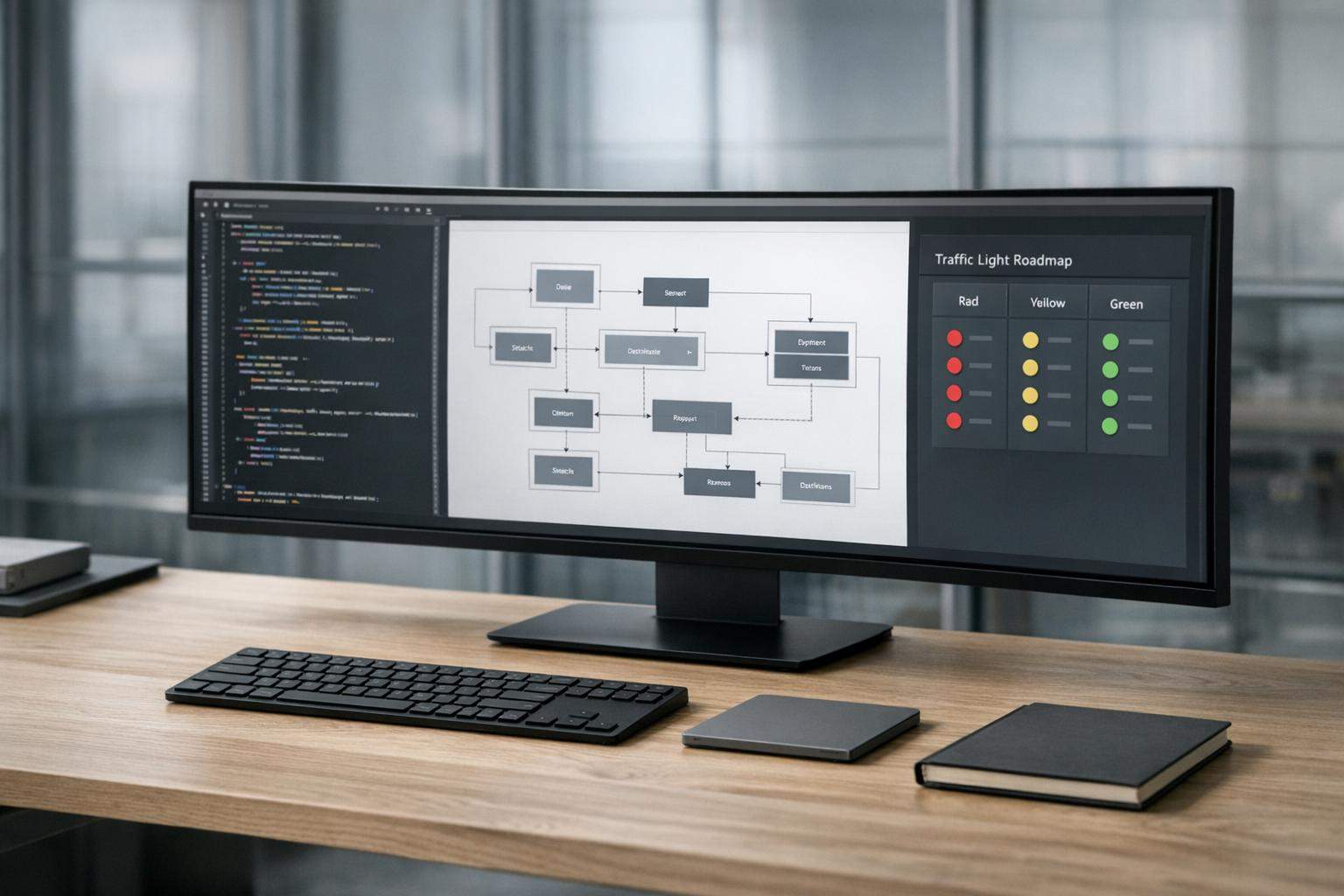
Classify code as Red, Yellow, or Green-use AI scans and a Traffic Light Roadmap to prioritize fixes, lower risk, and align engineering work with business goals.

Hitting $1M ARR exposes scaling failures-spot tech debt, prioritize with a Traffic Light Roadmap, and modernize incrementally to protect growth.

Modernize legacy frontends safely without full rewrites using incremental refactors, UI isolation, and integration layers to cut risk and speed delivery.

Compare autonomous agent IDEs versus developer-led IDEs for modernizing legacy code, weighing automation, control, security, and best use cases.