BuildWise
MEP design, moved from desktop CAD to the browser
A web-based piping estimating and takeoff tool that cut design time by 75%
- Industry
- Construction / MEP Engineering Software
- Product delivered
- Web-based MEP design and takeoff tool
- Services
- Software Development · System Modernisation
The challenge
Where things stood
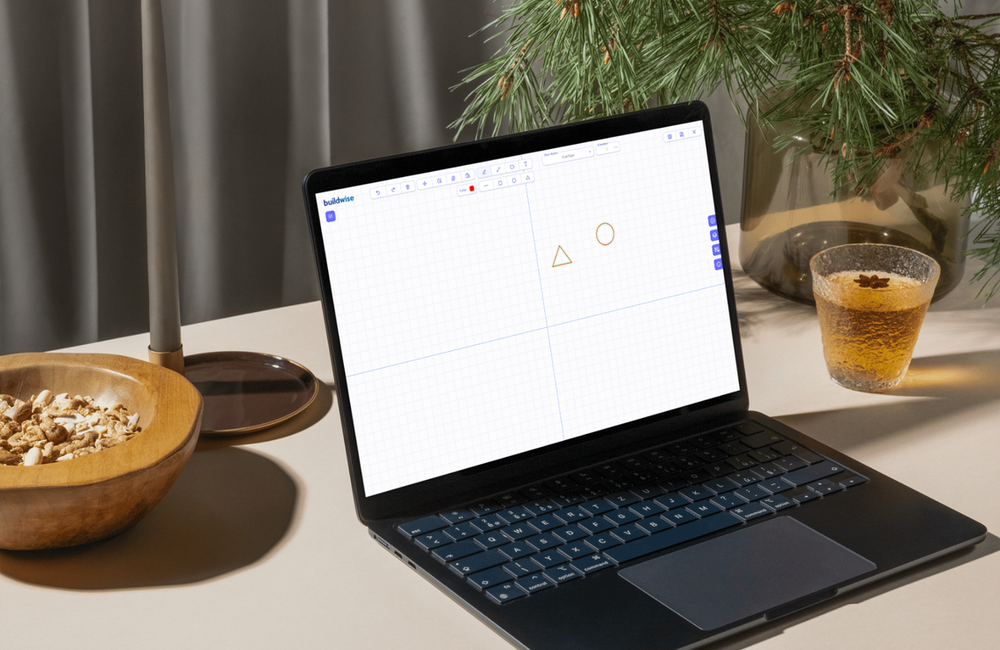
MEP consultants were locked into desktop CAD and BIM tools that demand specialised training, expensive licences and powerful workstations. Smaller firms were priced out, collaboration was limited, and generating Bills of Quantities was slow and error-prone.
BuildWise partnered with AlterSquare to disrupt that desktop-centric world: an accessible, web-based MEP design tool for plumbing and ducting that professionals with limited technical backgrounds could run in a browser.
Our solution
What we built
We developed a device-agnostic MEP design platform, evolving BuildWise's proof of concept into an enterprise-grade product on a modular, independently scalable architecture.
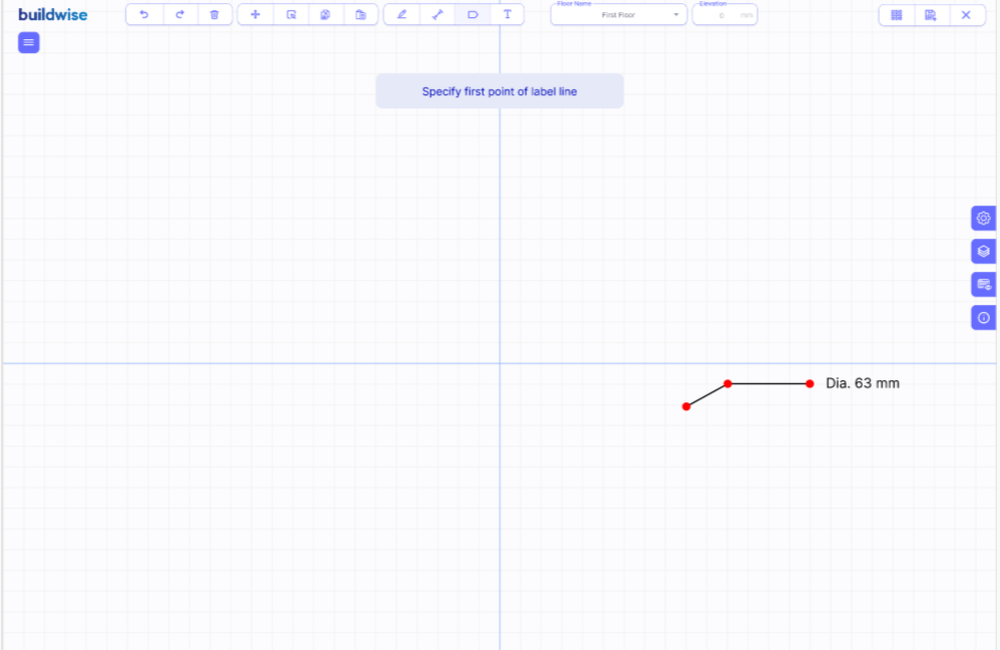
- A real-world fixture library with grid-based drawing tools, contextual prompts, floor handling and modern sidebar controls.
- Instant BOQ generation and industry-standard technical drawings, replacing hours of manual work.
- Real-time multi-user collaboration with secure cloud storage, version control and access management.
- A comprehensive common-masters system covering manufacturer and composite code relationships, imperial and metric units, and bulk import and export.
- Modular services that scale independently, so new features like building services ship without disrupting existing components.
Engagement
Key highlights
- Shifted MEP design from desktop to web with a fixture-based approach using real-world elements.
- Automated documentation systems built to meet relevant building codes and standards.
- Smooth performance despite complex calculations and rendering requirements.
- Significant infrastructure cost savings through optimised resource allocation.
The impact
What changed
Quantitative benefits
- Design time reduced by 75%, from weeks to days.
- Bills of Quantities and technical documentation generated 90% faster.
- Errors down 50% compared with traditional methods.
- 40% savings on software and hardware, with firms handling 35% more projects concurrently and collaboration efficiency up 60%.
Qualitative benefits
- Lowered barriers to entry for smaller firms and enabled remote work.
- More intuitive visual representations for clients.
- A foundation ready for expansion into building services.
Let's talk
Have a system like this one?
Tell us where your platform is today, whether you're building, stabilising, or scaling, and we'll help you find the right next step.
Senior engineers reply within one business day.