Redefine Software Development with Agile Methodologies
By AlterSquare
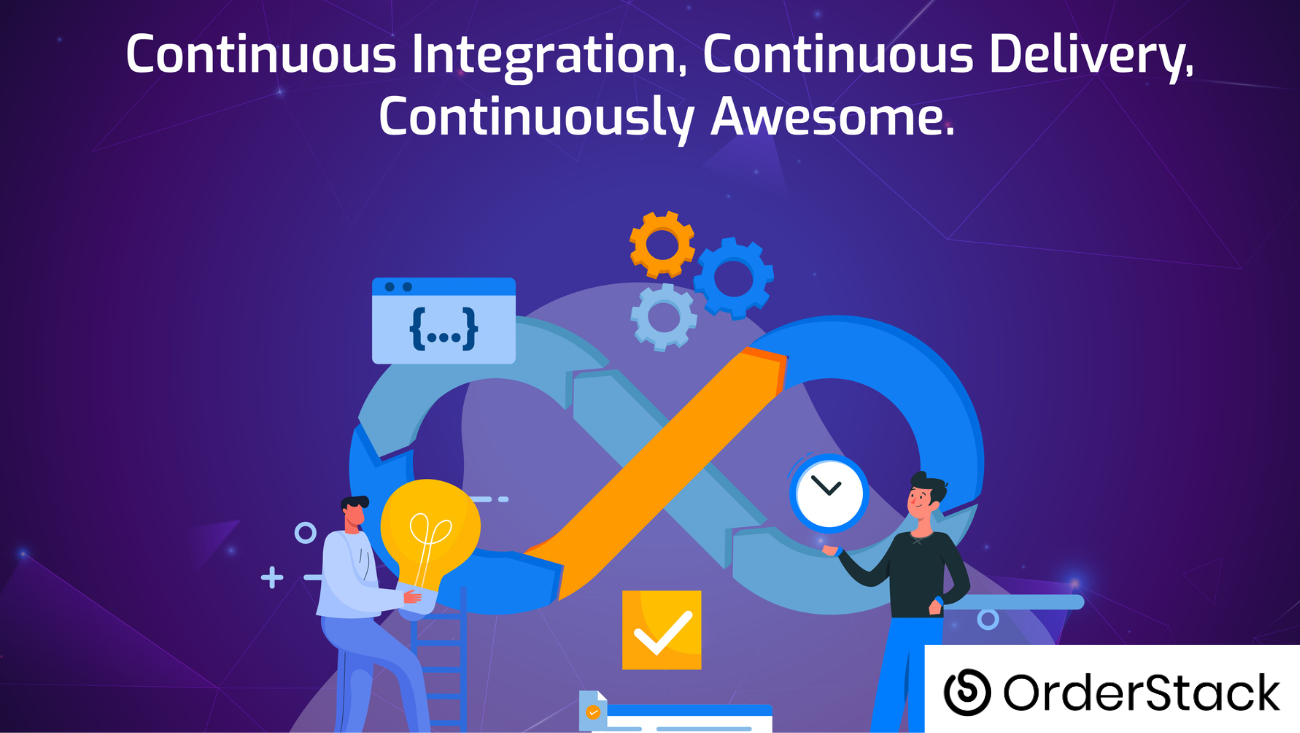
Imagine building a house. In the traditional approach, you’d have a detailed blueprint, gather all the materials upfront, and meticulously follow the plan. This works well if the design is final and unlikely to change. But what if the homeowner wants to adjust the layout halfway through? Traditional methods can become rigid and struggle to adapt.
The software development industry faces similar challenges. Project requirements can evolve, new technologies emerge, and user needs shift. Agile methodologies offer a refreshing alternative, emphasizing flexibility and collaboration to navigate these uncertainties.
Why Agile?
- Faster Delivery: Working software is delivered in short iterations, called sprints, typically lasting 1-4 weeks. This means users can get their hands on the product early and provide valuable feedback.
- Embrace Change: Agile methods acknowledge that requirements might change during development. The process is designed to adapt to these changes efficiently.
- Improved Collaboration: Agile teams are cross-functional, meaning they have a mix of designers, developers, and testers working closely together. This fosters open communication and a shared understanding of the project.
- Customer Focus: Customers are no longer distant figures. They are actively involved in the development process, providing feedback at every stage. This ensures the final product aligns with their needs.
Popular Agile Frameworks
While Agile is a broad philosophy, several popular frameworks provide specific practices to implement its principles. Here are three of the most widely used:
Scrum
Imagine a rugby scrum, where the team works together in short bursts (sprints) to achieve a common goal. Scrum teams have specific roles: product owner (represents the customer), development team (builds the product), and scrum master (facilitates the process). Daily stand-up meetings keep everyone on the same page.
Kanban
This method uses a visual board with columns representing different stages of development (e.g., To Do, In Progress, Done). Tasks are depicted as cards that move across the board as they progress. Kanban emphasizes limiting work in progress (WIP) to avoid bottlenecks and improve efficiency.
Iterative Development
Projects are broken down into smaller iterations, each focusing on delivering a specific set of features. At the end of each iteration, the team reviews progress, gathers feedback, and incorporates it into the next iteration. This allows for continuous improvement and avoids major course corrections later in the project.
Collaboration is key
Agile methodologies heavily rely on effective collaboration. Here’s how Agile fosters teamwork:
Open Communication: Regular meetings, like daily stand-ups, keep everyone informed and aligned.
Shared Workspace: Agile teams often work in open spaces, promoting spontaneous discussions and problem-solving.
Transparency: Project progress and goals are transparent to all team members, fostering a sense of ownership.
Is Agile Right for You?
Agile isn’t a magic bullet. Here are some factors to consider:
Project Size and Complexity: Agile is well-suited for projects with evolving requirements and a moderate degree of complexity. For very large or highly complex projects, a hybrid approach combining agile and traditional methods might be preferable.
Team Culture: Agile thrives in a collaborative and adaptable environment. If your team is used to rigid hierarchies and struggles with change, adopting Agile might require a cultural shift.
The software development landscape is constantly evolving. Agile methodologies provide a framework for navigating this change with flexibility and collaboration. By embracing continuous learning, feedback, and adaptation, Agile teams can deliver high-quality software that meets the ever-changing needs of their users.
Agile approaches are a way of thinking that goes beyond project management. It’s about welcoming change, encouraging teamwork, and providing value frequently. Thus, think about experimenting with Agile if you’re searching for a method to create software that is user-centric, flexible, and responsive.
In this example, the button element has a popover target attribute that links it to the div with the info Popover ID. When the button is clicked, a popover is displayed.