Blog11 min read
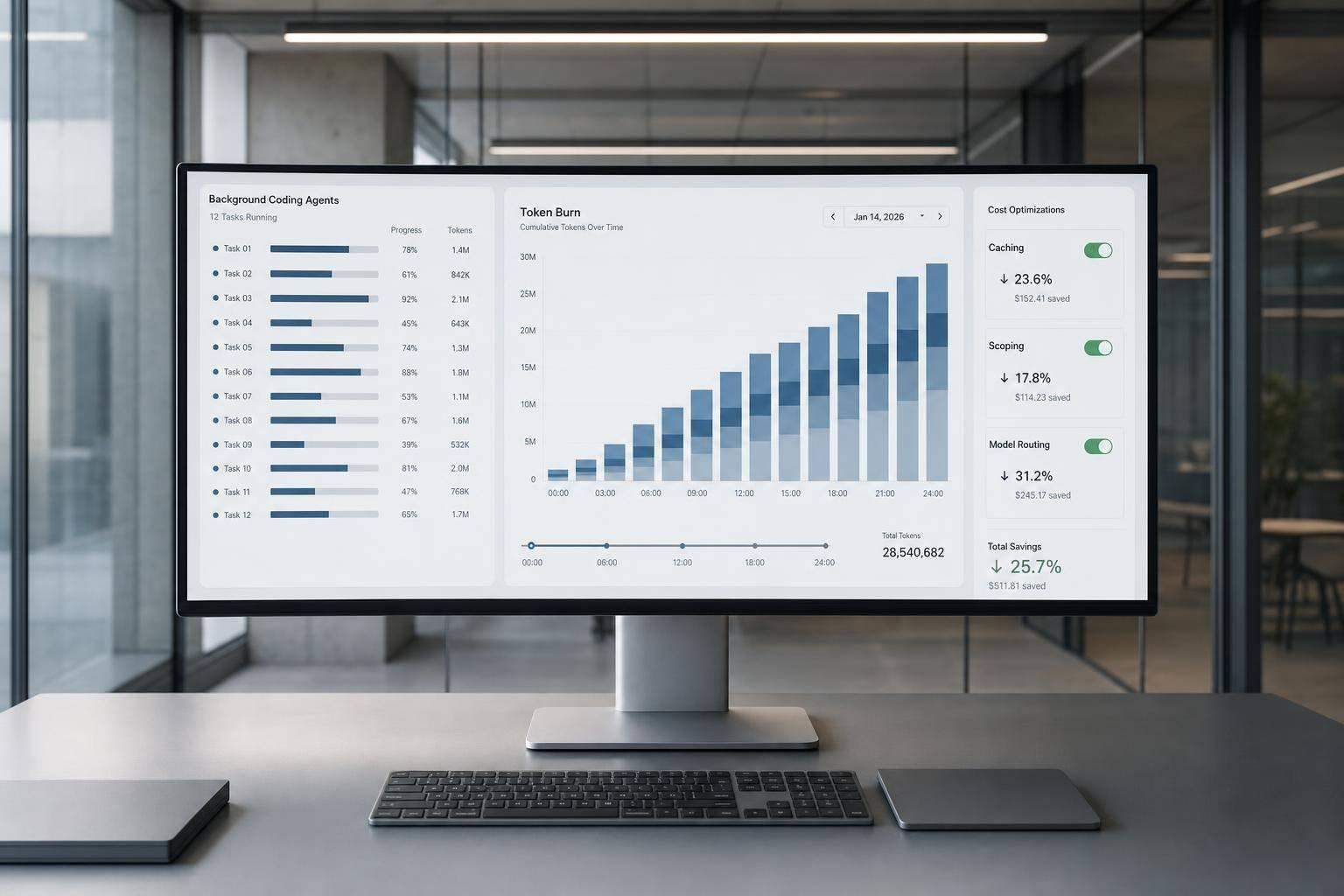
The Real Cost of Background Coding Agents: How Token Burn Adds Up in 2026
Shows how repeated inputs and parallel agents drive token costs-and how caching, scoping, and model routing cut spend.
Read article
Blog
Field notes on shipping AI-native systems with human engineering judgement: architecture, modernisation, automation, and the tradeoffs in between.
Shows how repeated inputs and parallel agents drive token costs-and how caching, scoping, and model routing cut spend.

Why micro-frontends often fail after 12-18 months and the safe defaults to avoid it: local state, pinned deps, CI/CD, and domain teams.
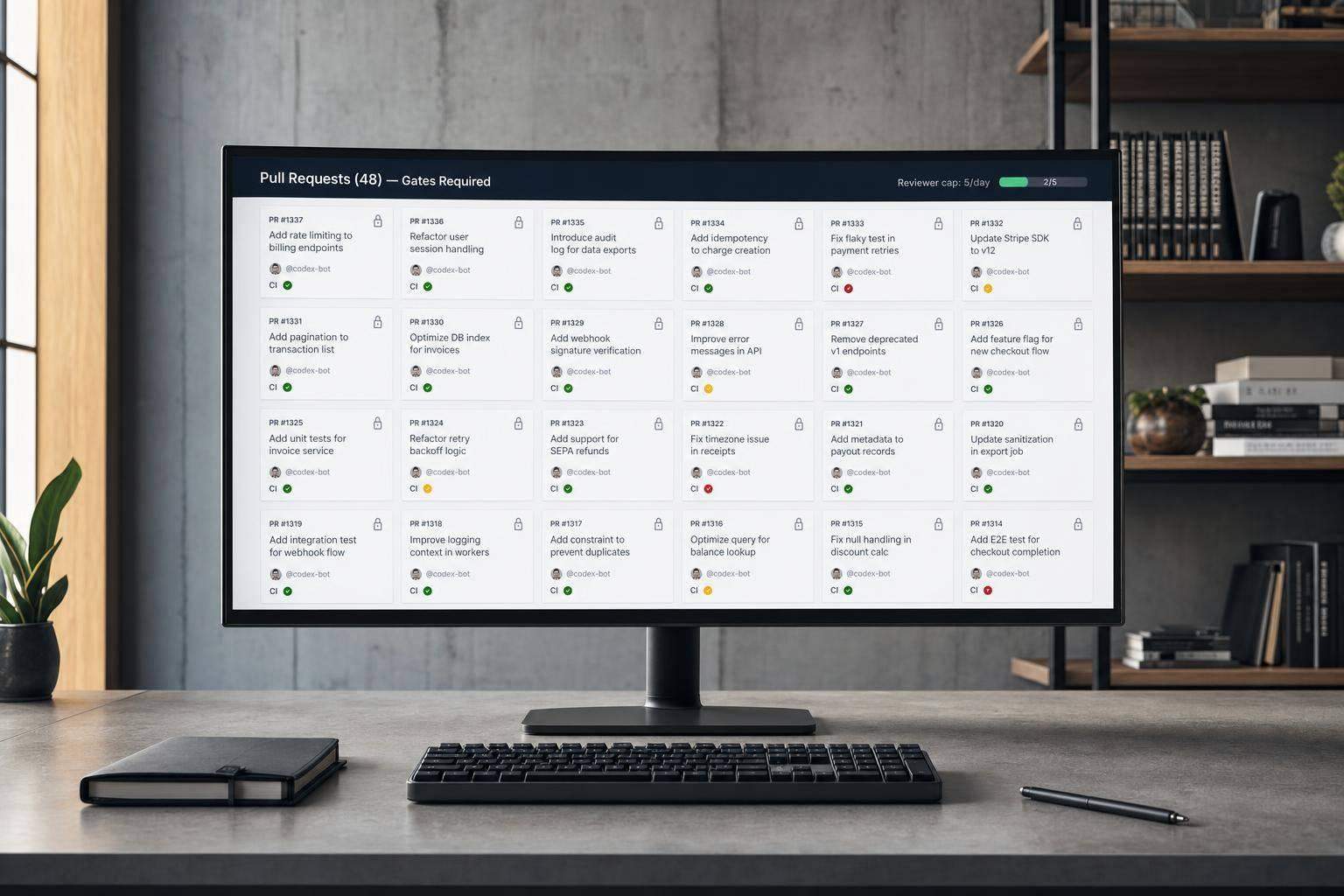
AI-generated PRs can overwhelm reviewers and raise defect risk; fix with ownership, CI gates, PR limits, and review caps.

Always-on clash-detection agents shift BIM to event-driven workflows: triage, traceability, reduced noise, and human approval.
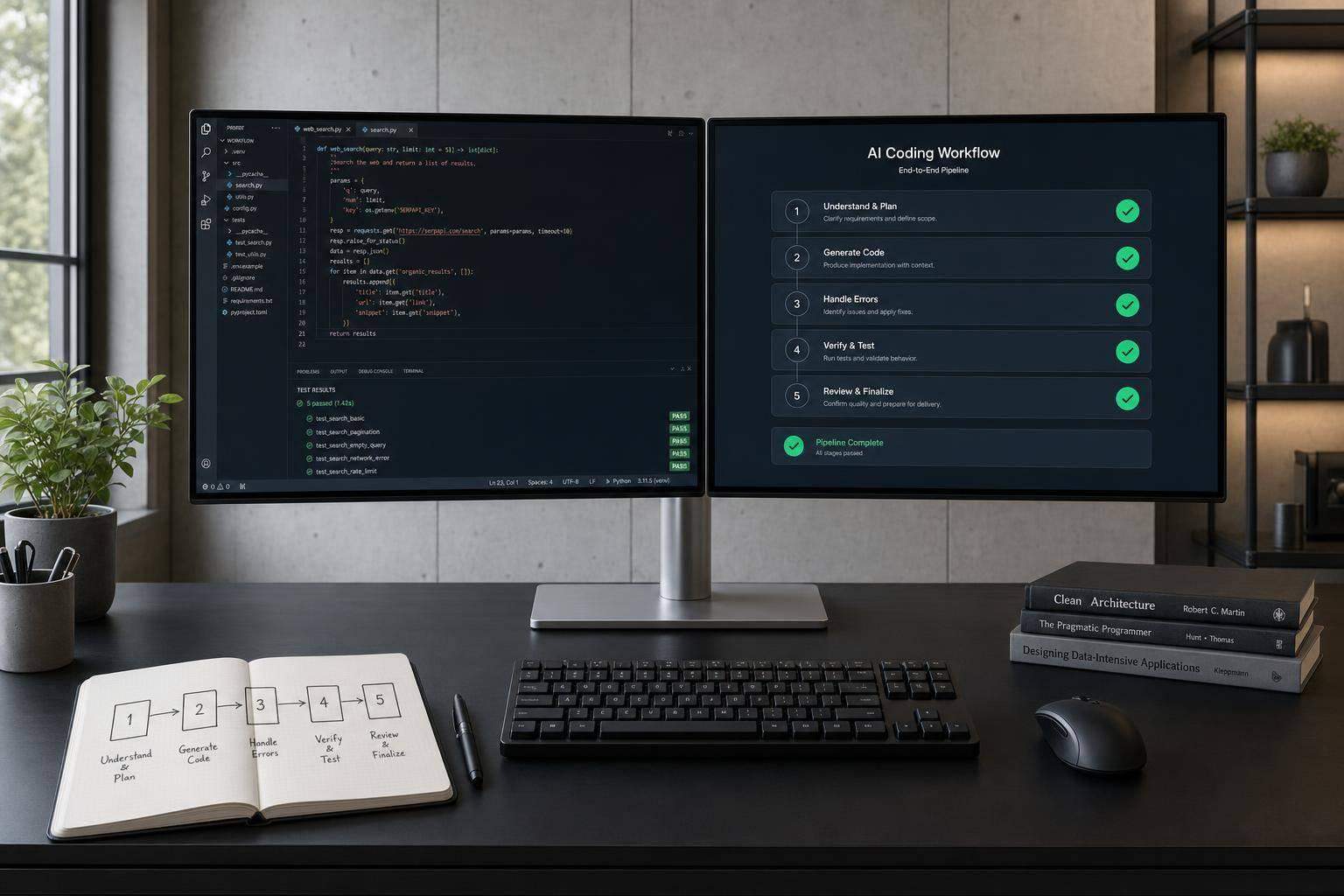
Treat AI-generated code like a controlled engineering loop: standardize prompts, validate edits, fix exact errors, test, and gate by risk.
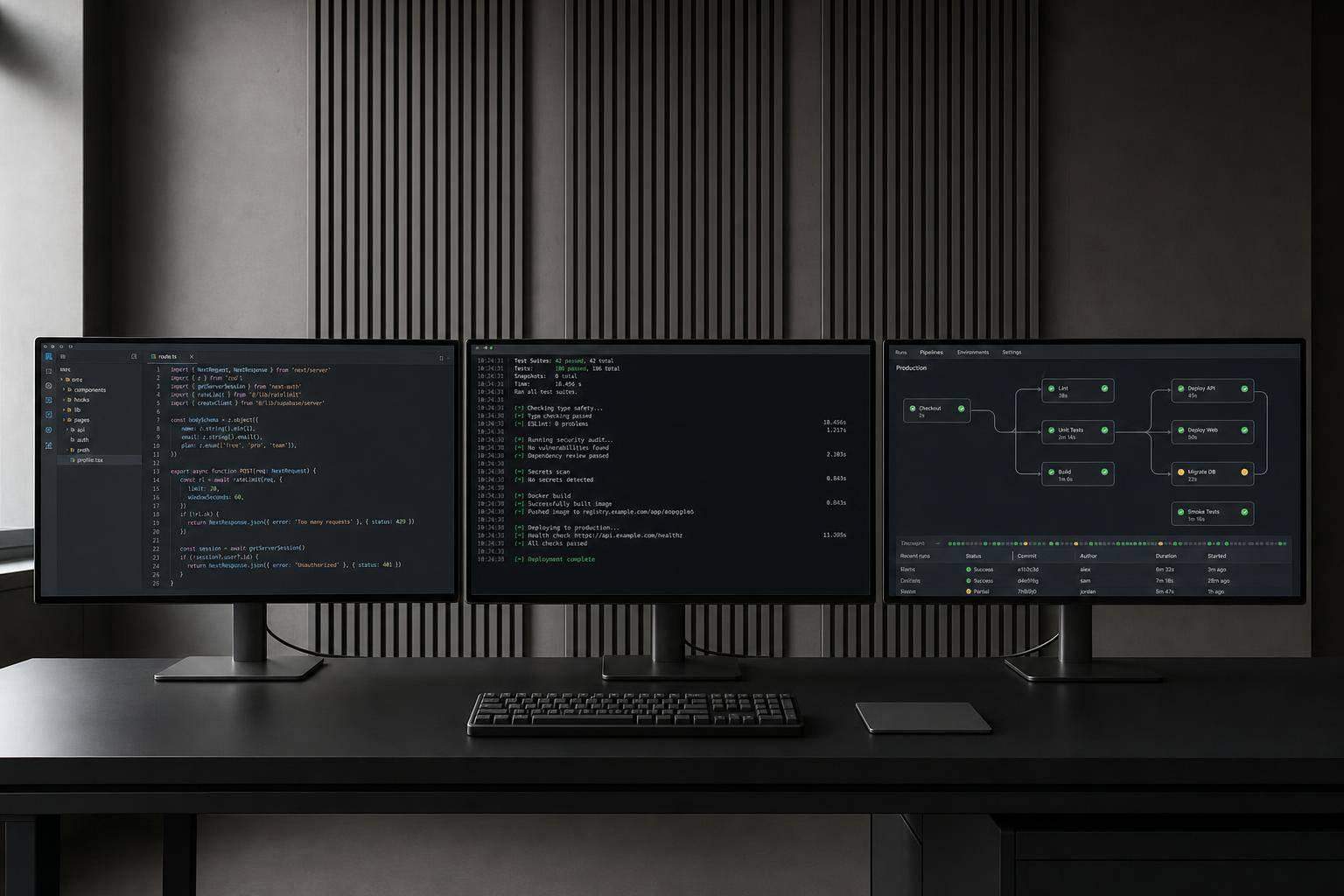
Agentic coding tools force a tradeoff: editor-first control, terminal-led safety, or orchestration-driven autonomy.
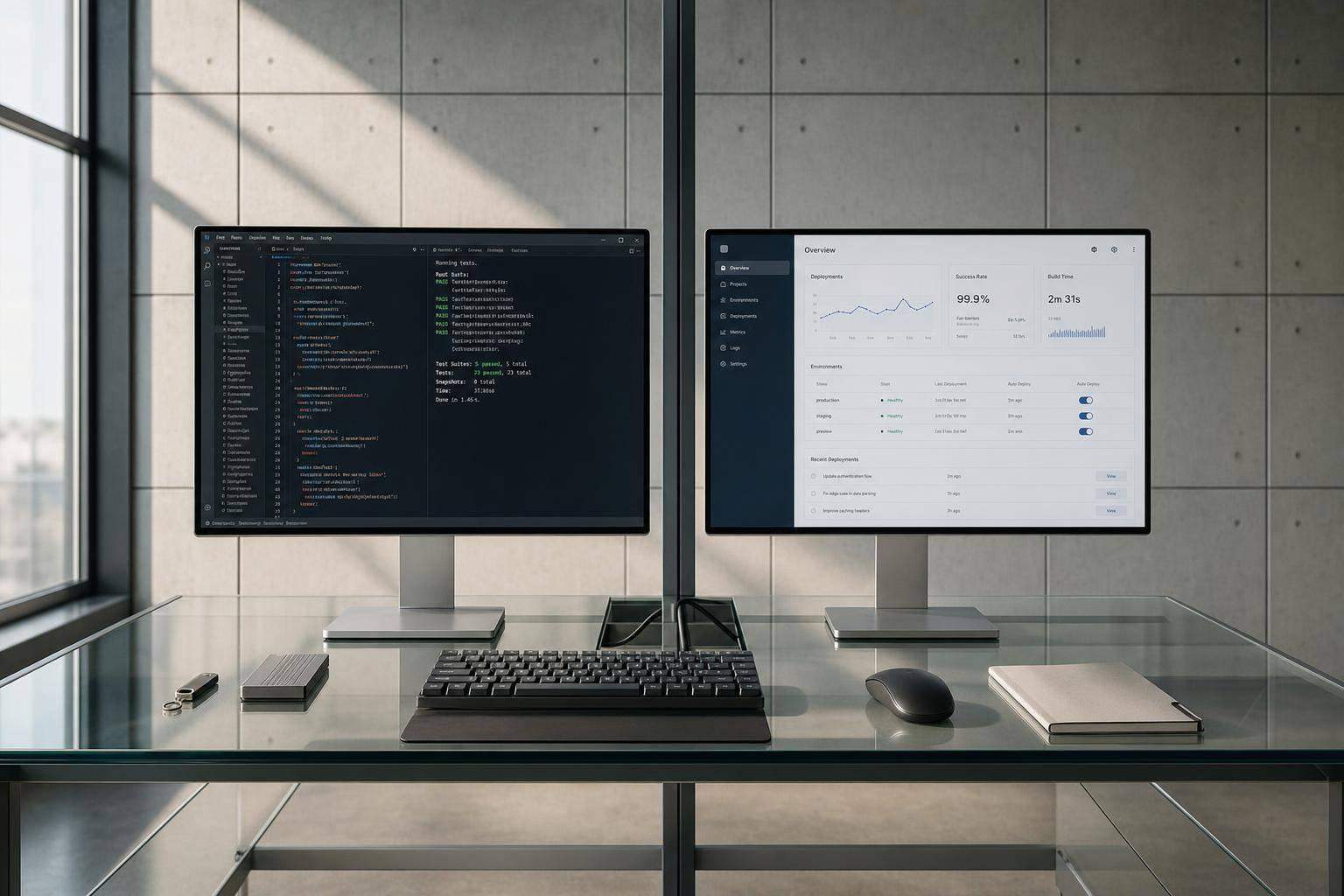
Control beats convenience: open, local-capable coding agents suit regulated or complex projects, while vendor-locked agents favor quick MVPs.
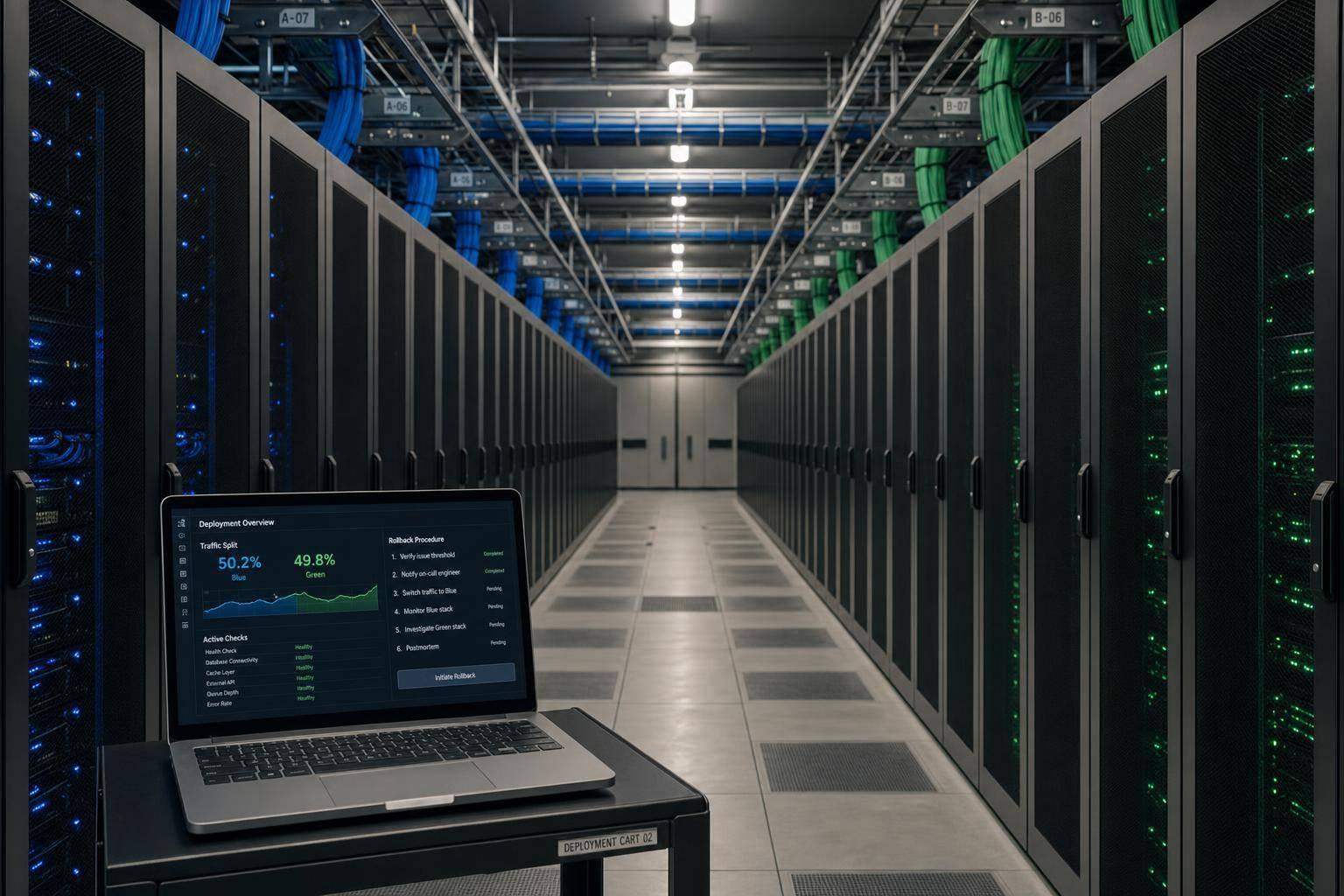
Zero-downtime migration blueprint: parallel blue/green stacks, expand→dual-write DB changes, staged traffic shifts, and rollback rules.
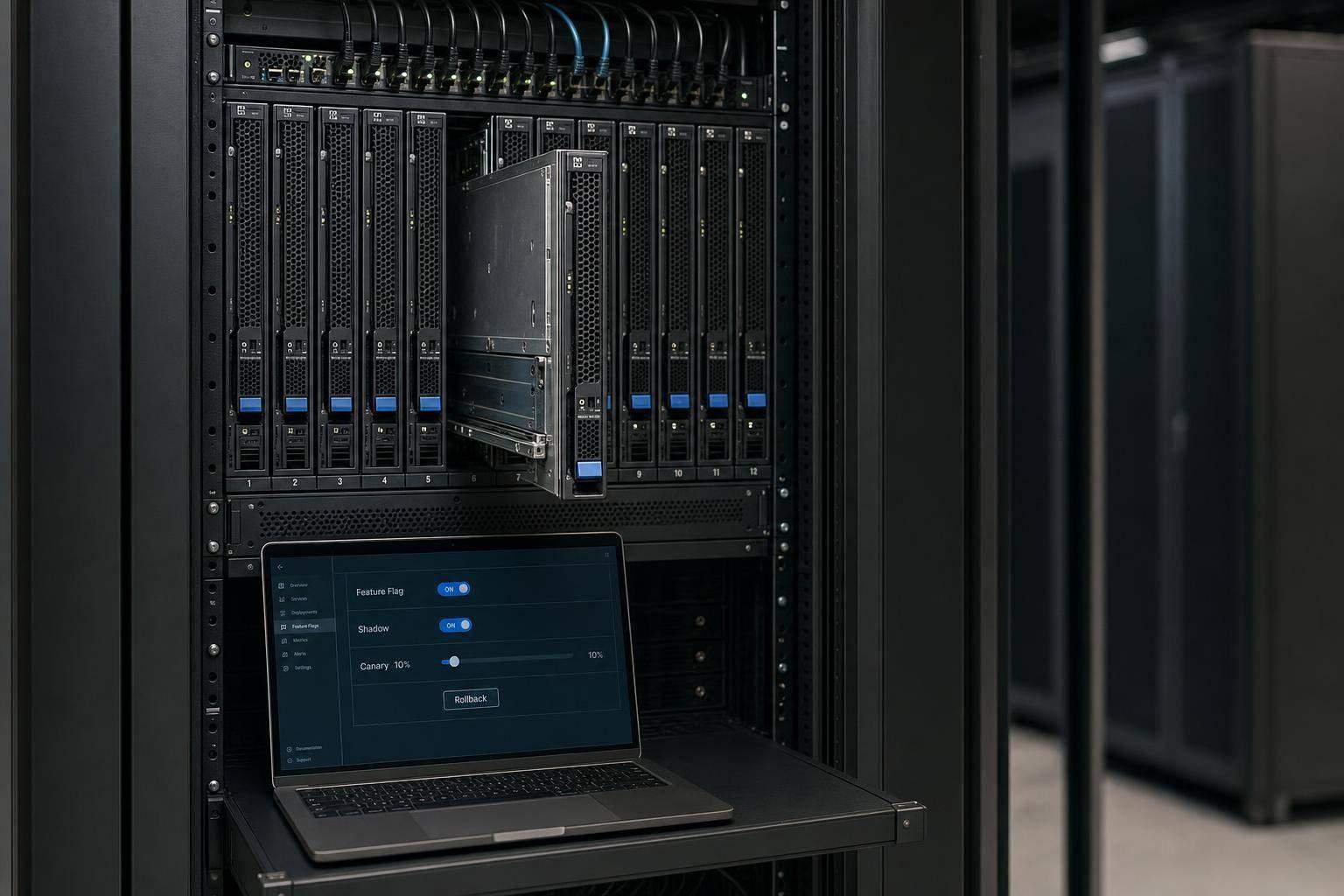
Replace one risky subsystem instead of endless patches: use feature flags, shadowing, canaries, and strict rollback rules.
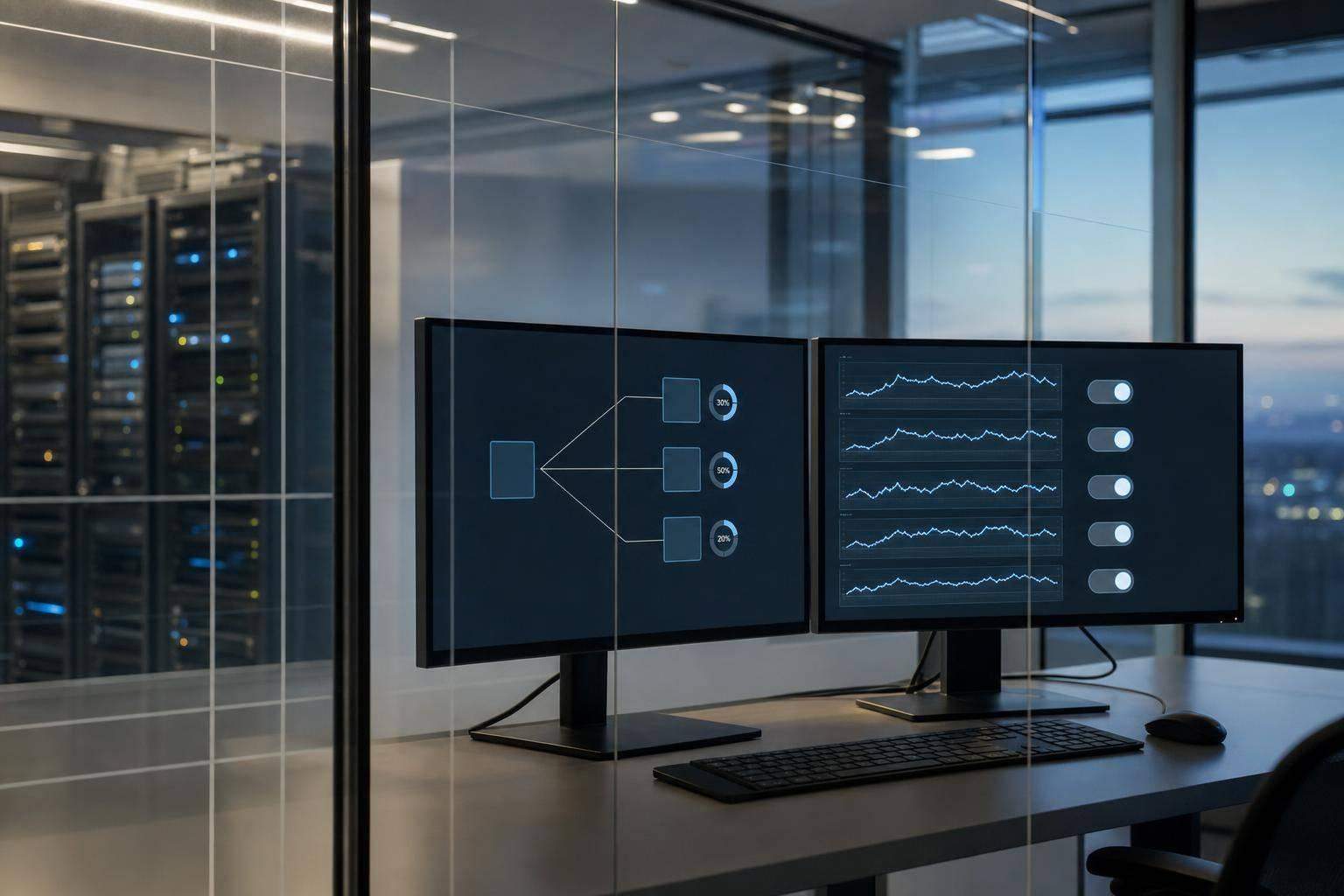
Split deployment from exposure with feature flags and a dispatcher-ramp traffic safely, monitor per-path metrics, and retire flags quickly.
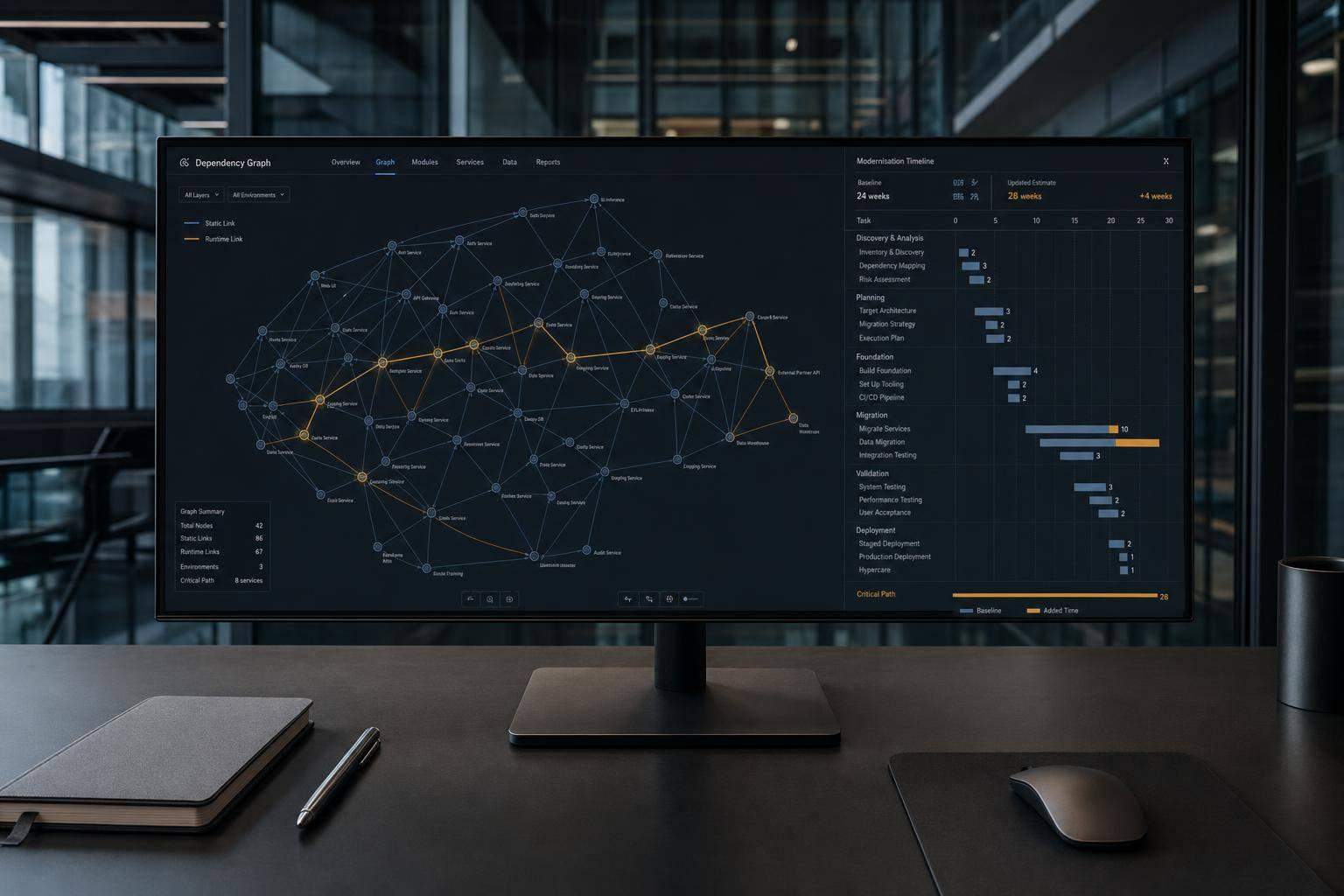
Combine static and runtime dependency mapping to uncover hidden couplings, prioritize modules, and create realistic modernization timelines.
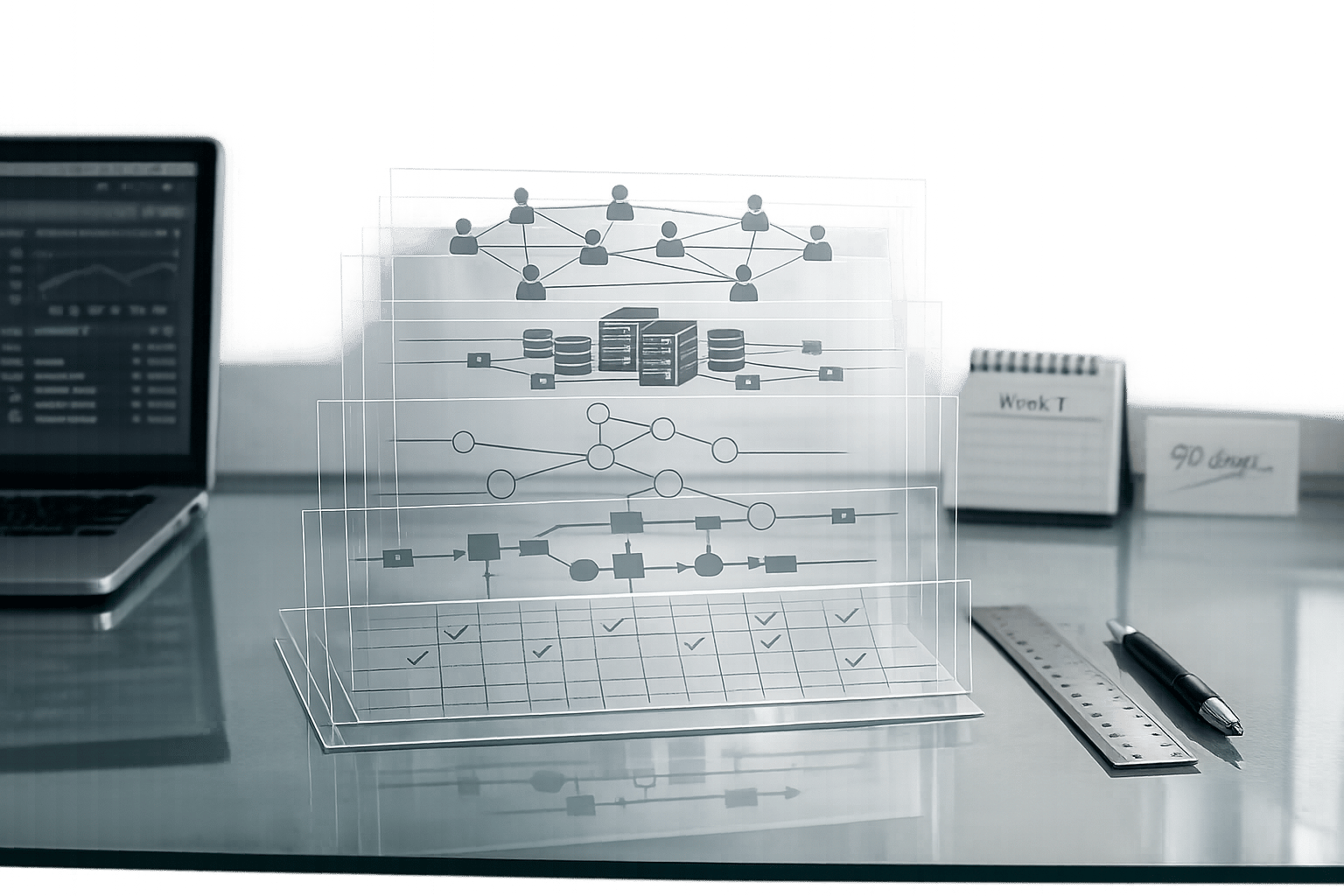
Map stakeholders, runtime, code, routing, and tests in week one to expose hidden dependencies and lock a focused 90-day modernization scope.