Whether you’re a budding developer or someone curious about how software ticks, understanding primitive types is fundamental. Let’s break it down in a way that’s straightforward and easy to understand.
What Are Primitive Types?
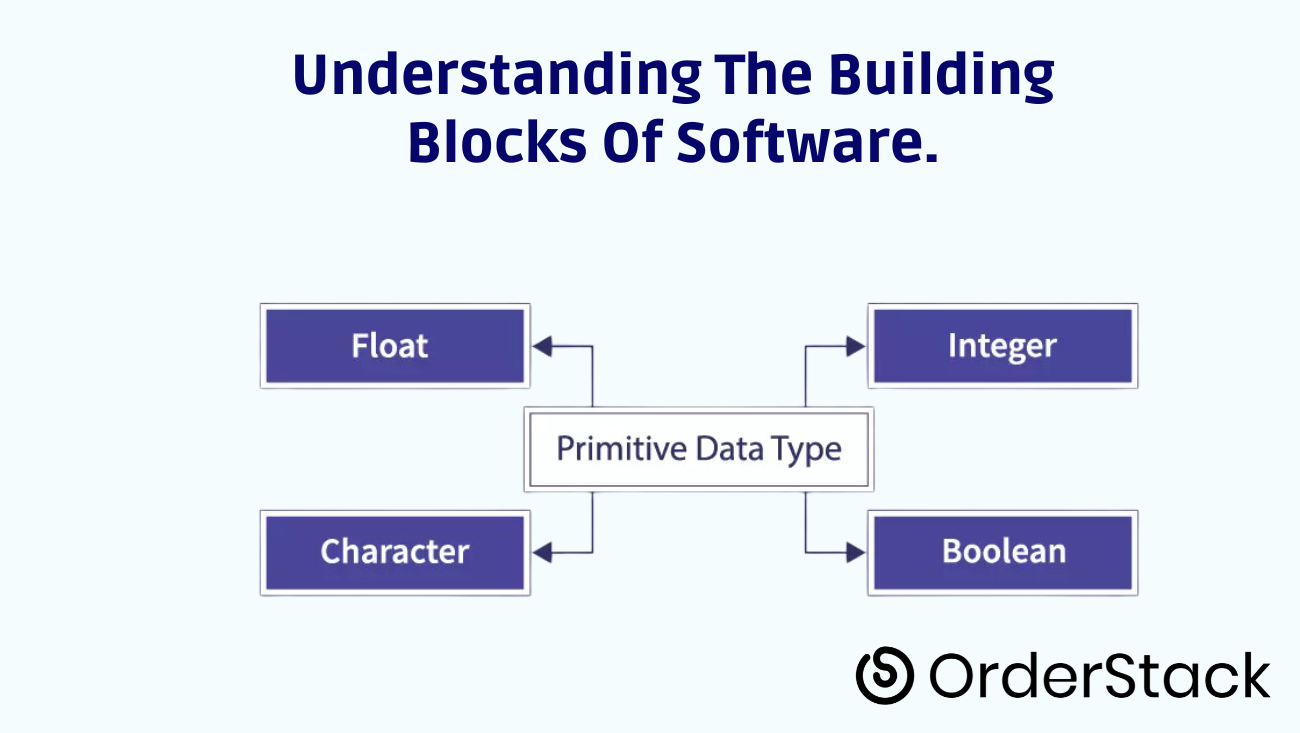
In programming, data is at the core of everything. Primitive types are the simplest forms of data that a programming language can handle. Think of them as the basic building blocks for constructing more complex data structures and functionality in your code.
Why are primate types important?
Efficiency: They are crucial for efficient computing as they allow the manipulation of basic values quickly and with minimal memory overhead.
Foundation of Data Structures: All other major data constructs build upon these primitive types. Knowing them well helps in understanding more complex data structures.
Interoperability: Primitive types facilitate interactions between different parts of a program, making it easier to pass values around.
The Common Primitive Types
Integers are whole numbers, both positive and negative, including zero.
Use cases: counting, indexing arrays, loop control.
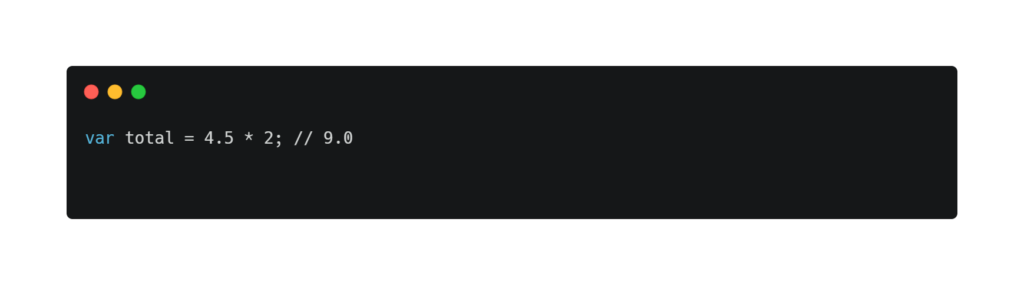
Floating-point numbers are those that have a fraction part. They can represent decimal values.
Use cases: financial calculations, scientific computations.
Characters are single alphabetic letters or symbols.
Use cases: manipulating individual characters, creating strings.
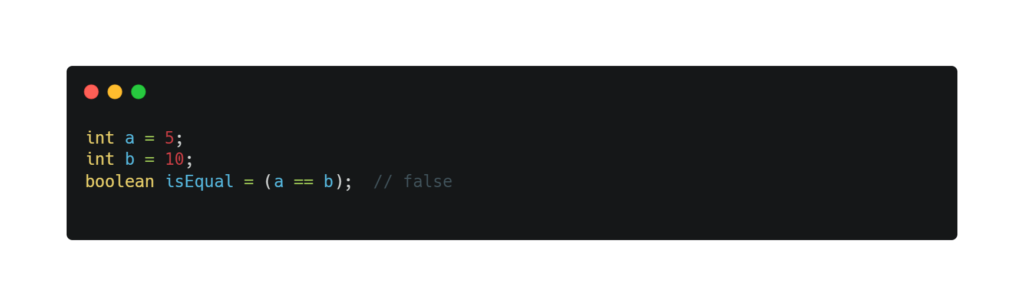
Booleans Represent true or false values.
Use cases: conditional statements, logic operations.
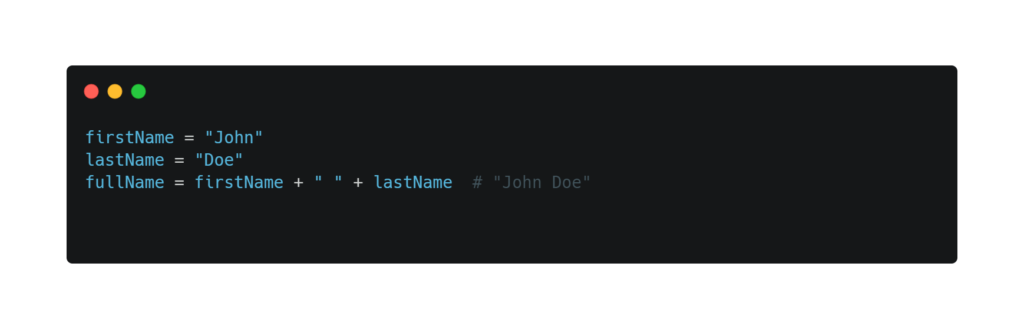
Strings represent sequences of characters. Some languages consider it a primitive type; others consider it a complex type.
Use cases: text manipulation, user input handling, displaying messages.
Null is special marker used to indicate that a variable has no value.
Use cases: Initializing variables, handling error cases.
How they are used
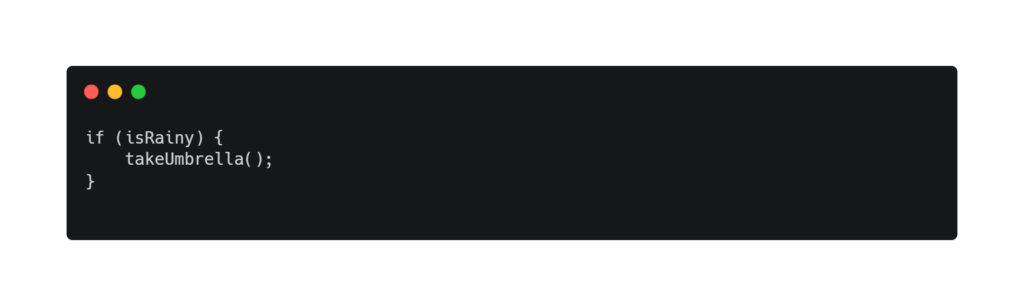
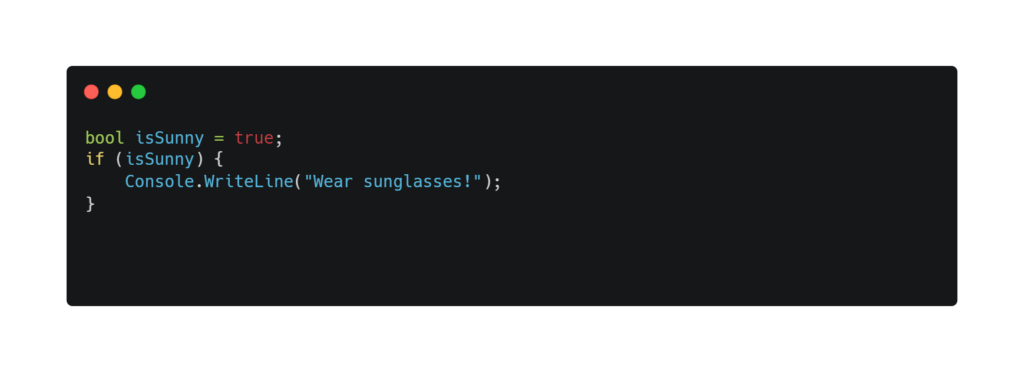
Control Structures: Primitive types are heavily used in control structures (like loops and conditionals). For example, booleans are essential in ‘if’ statements:
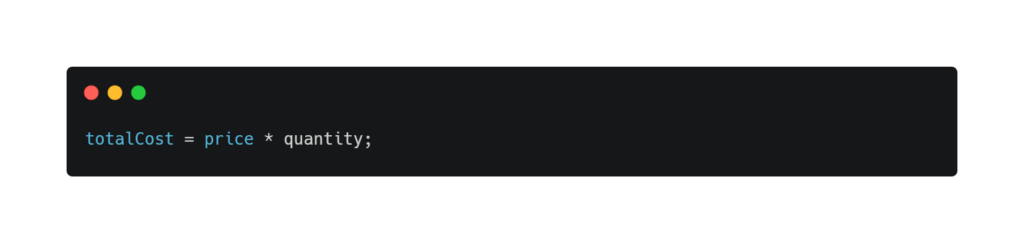
Arithmetic Operations: Operations like addition, subtraction, multiplication, and division rely on integers and floating-point numbers.
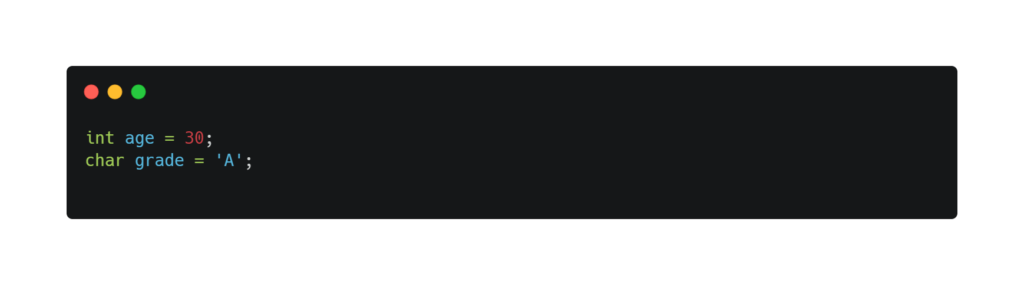
Data Storage: Primitive types are often used to store values in variables:
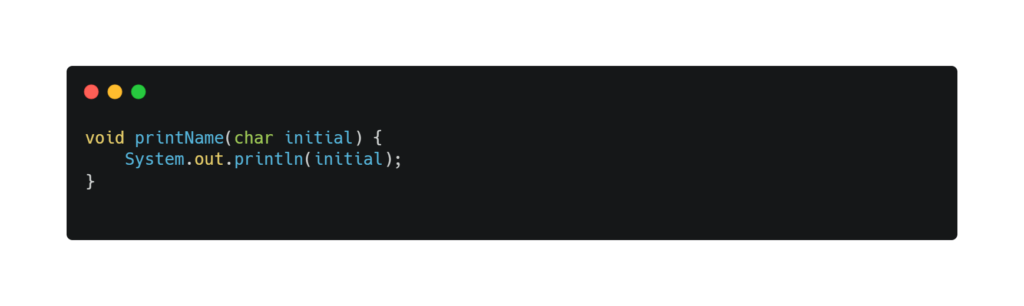
Function Parameters: When passing values to functions, primitive types are often used:
Programming Languages and Primitive Types
Different programming languages may have slight variations in their primitive types:
Primitive types form the bedrock of every programming language. They are the simplest forms of data, but they play a critical role in writing efficient and effective code. By mastering these types, you’ll have a deeper understanding of how algorithms and programs operate at a fundamental level.
We believe in mastering the basics to build robust and innovative software solutions. Stay tuned for more insights and educational content. Let’s build the future, one line of code at a time!