Antigravity vs Cursor vs Claude Code: How the Three Agentic Coding Tools Compare for Production Work in 2026
Agentic coding tools force a tradeoff: editor-first control, terminal-led safety, or orchestration-driven autonomy.
Blog
Field notes on shipping AI-native systems with human engineering judgement: architecture, modernisation, automation, and the tradeoffs in between.

Agentic coding tools force a tradeoff: editor-first control, terminal-led safety, or orchestration-driven autonomy.

Control beats convenience: open, local-capable coding agents suit regulated or complex projects, while vendor-locked agents favor quick MVPs.

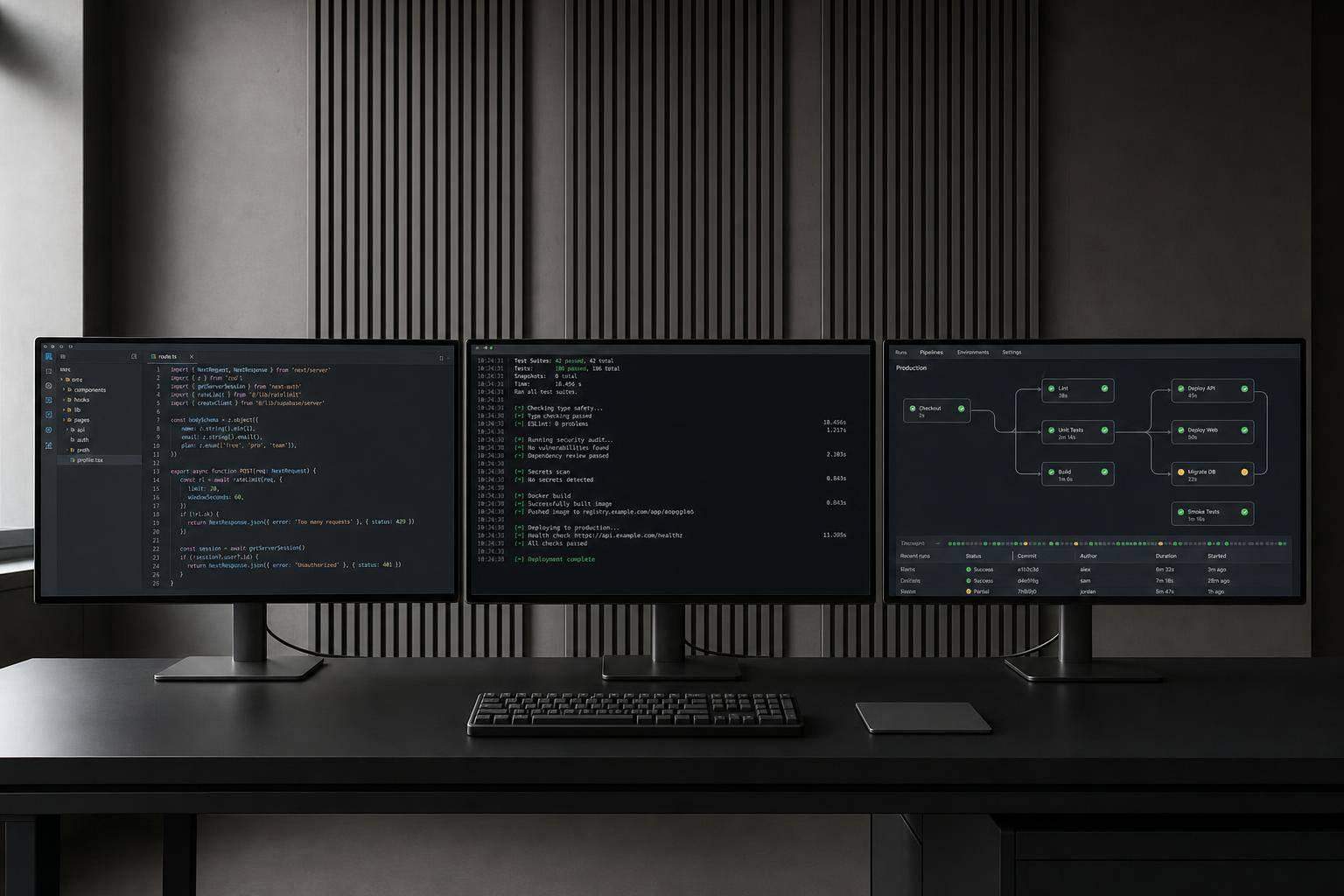
Zero-downtime migration blueprint: parallel blue/green stacks, expand→dual-write DB changes, staged traffic shifts, and rollback rules.

Replace one risky subsystem instead of endless patches: use feature flags, shadowing, canaries, and strict rollback rules.

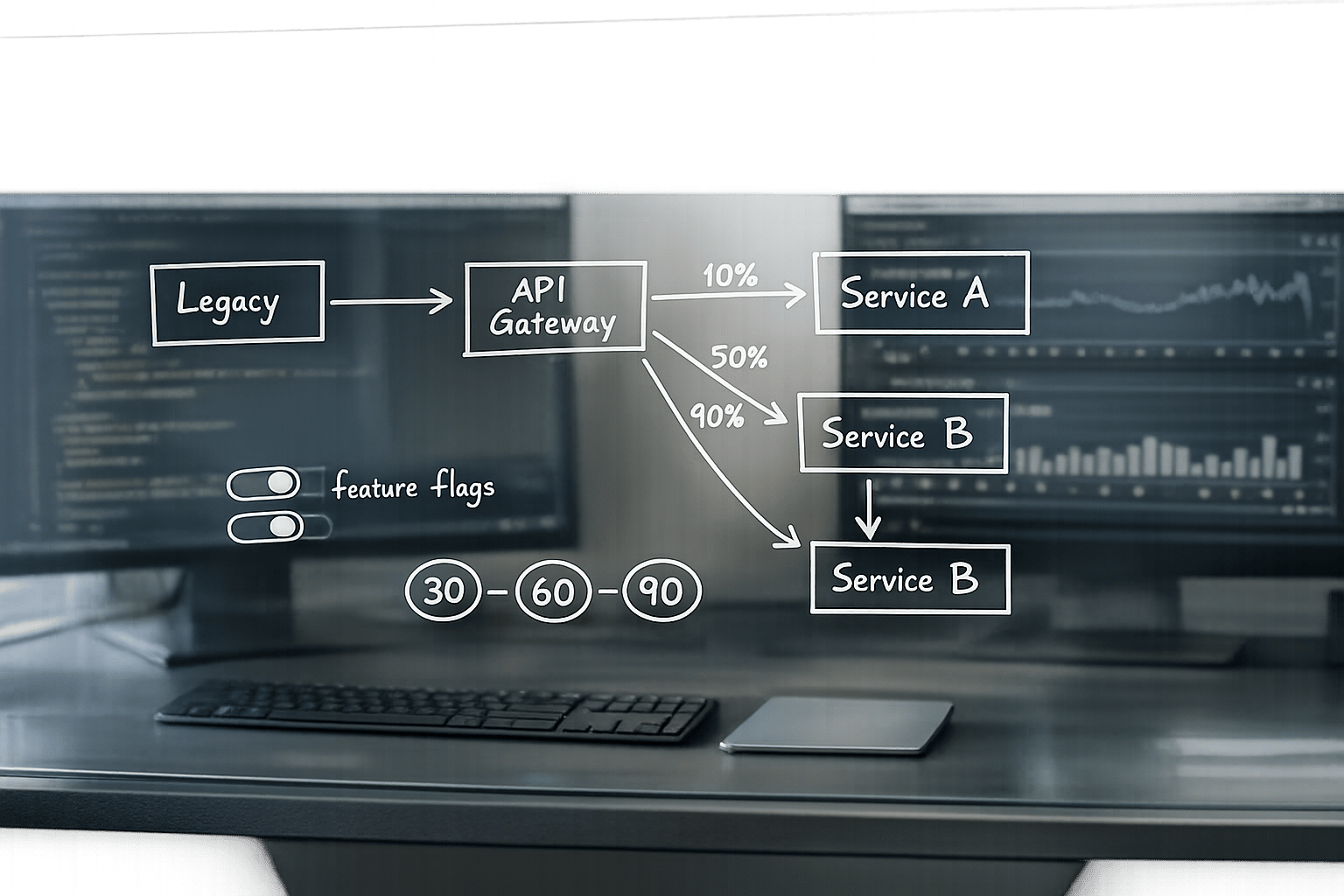
Split deployment from exposure with feature flags and a dispatcher-ramp traffic safely, monitor per-path metrics, and retire flags quickly.

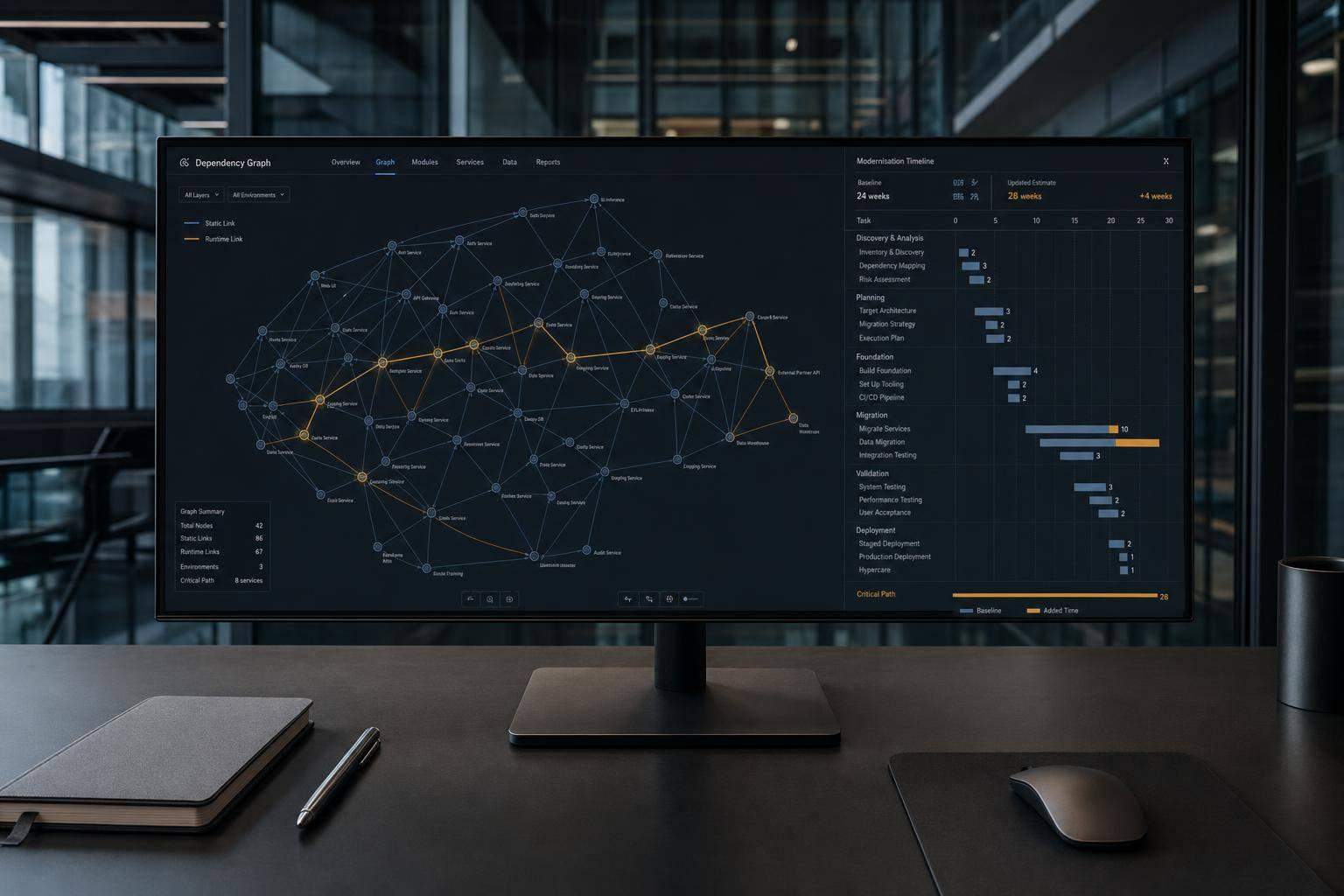
Combine static and runtime dependency mapping to uncover hidden couplings, prioritize modules, and create realistic modernization timelines.

Map stakeholders, runtime, code, routing, and tests in week one to expose hidden dependencies and lock a focused 90-day modernization scope.

Avoid Strangler Fig failures in the first 90 days: practical milestones, routing and boundary fixes, feature-flag hygiene, observability, and ownership.

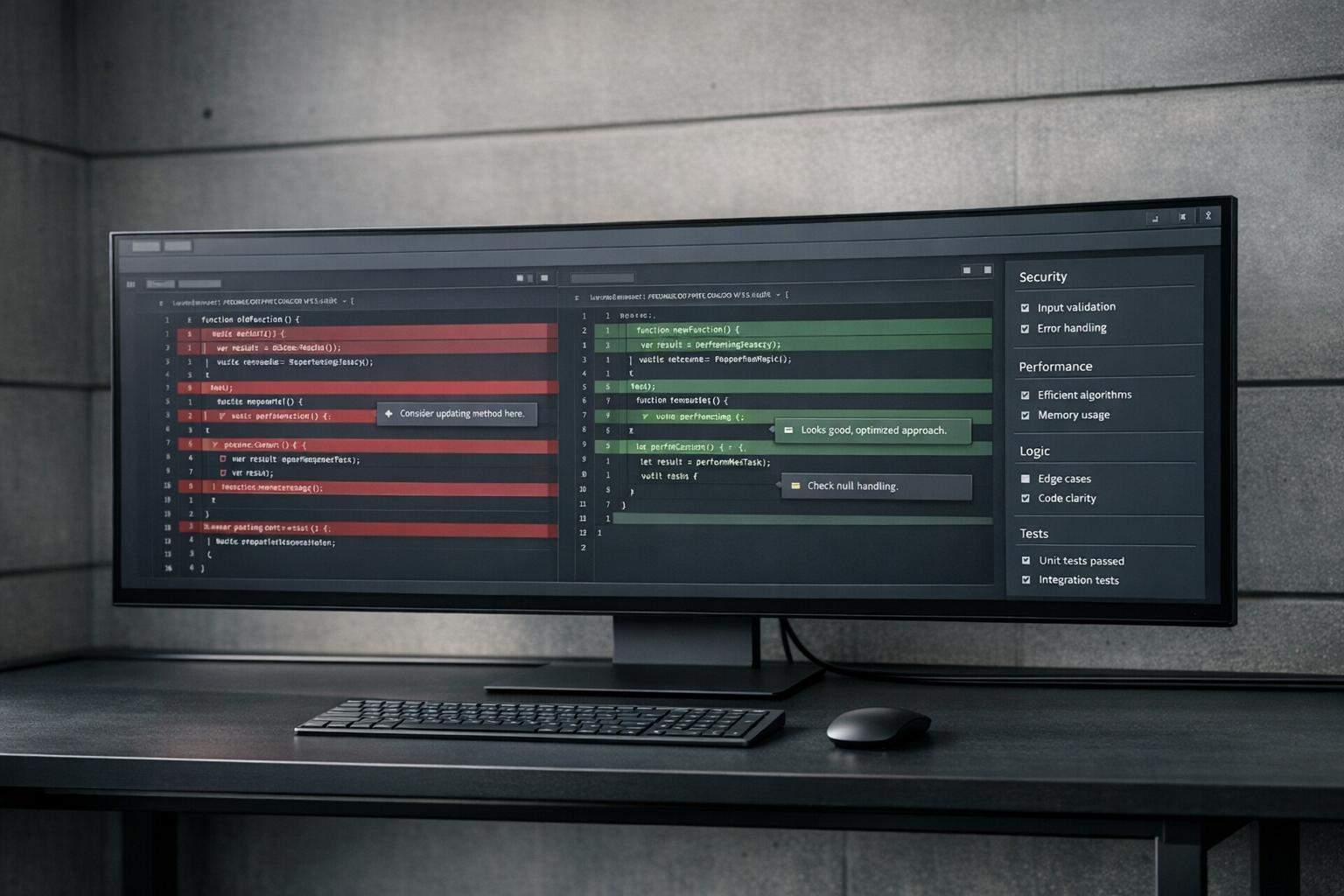
Use context-rich prompts, focused roles, and structured output to get actionable AI feedback on PR diffs, security, performance, and logic.

An 8-step AI prompt workflow that turns rough ideas into structured PRDs, user stories, edge-case checks, and prioritized features.

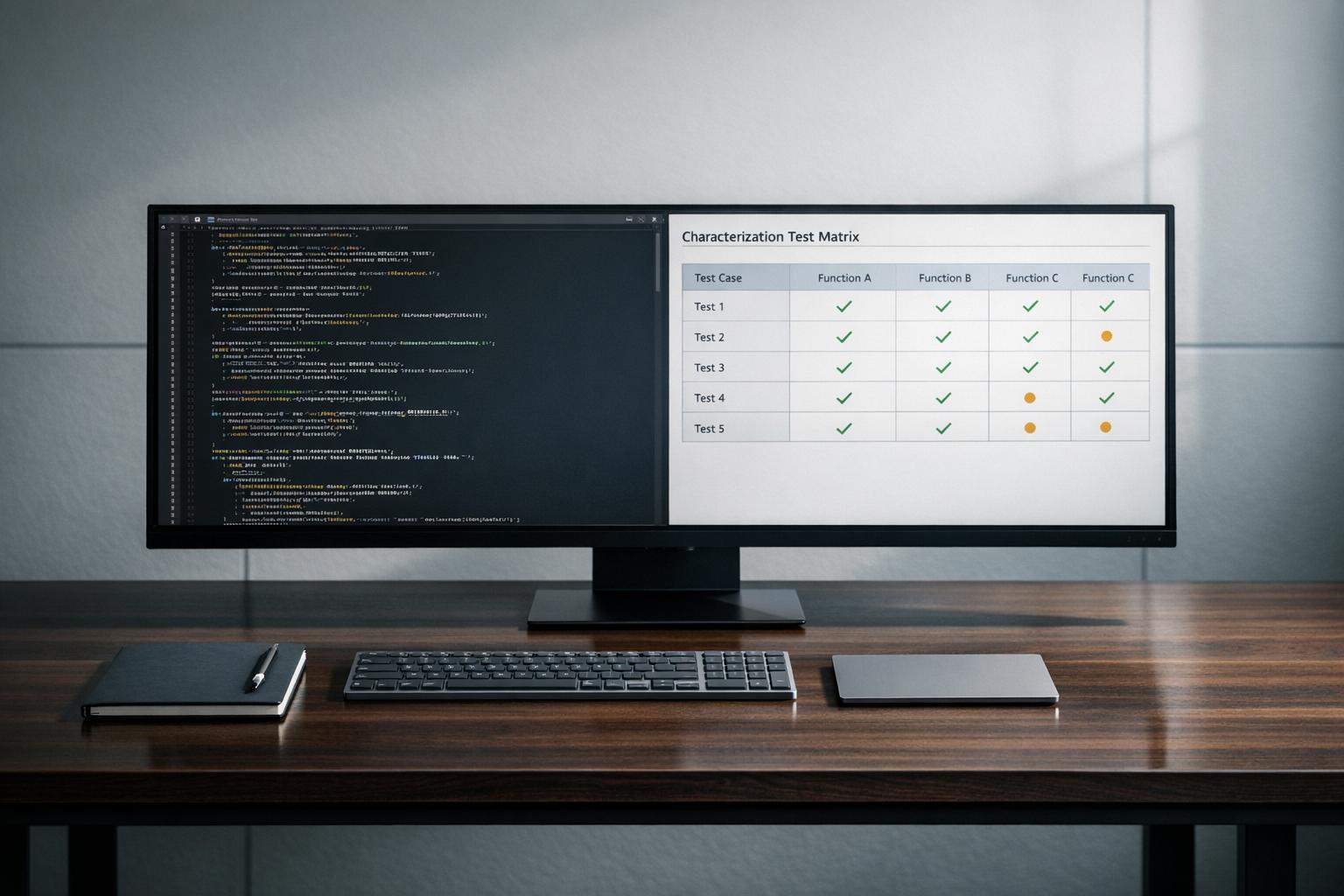
Use precise AI prompts to map, test, and safely fix legacy code-surface assumptions, generate characterization tests, and minimize risk.

Nine copy‑paste AI prompts to debug React, migrate components, write tests, boost performance, and improve accessibility.