
Blog11 min read
From AutoCAD to Web Apps: Why Construction is Going Cloud-First
The construction industry is shifting to cloud-based tools, enhancing collaboration, decision-making, and project outcomes.
Read article
Blog
Field notes on shipping AI-native systems with human engineering judgement: architecture, modernisation, automation, and the tradeoffs in between.
The construction industry is shifting to cloud-based tools, enhancing collaboration, decision-making, and project outcomes.
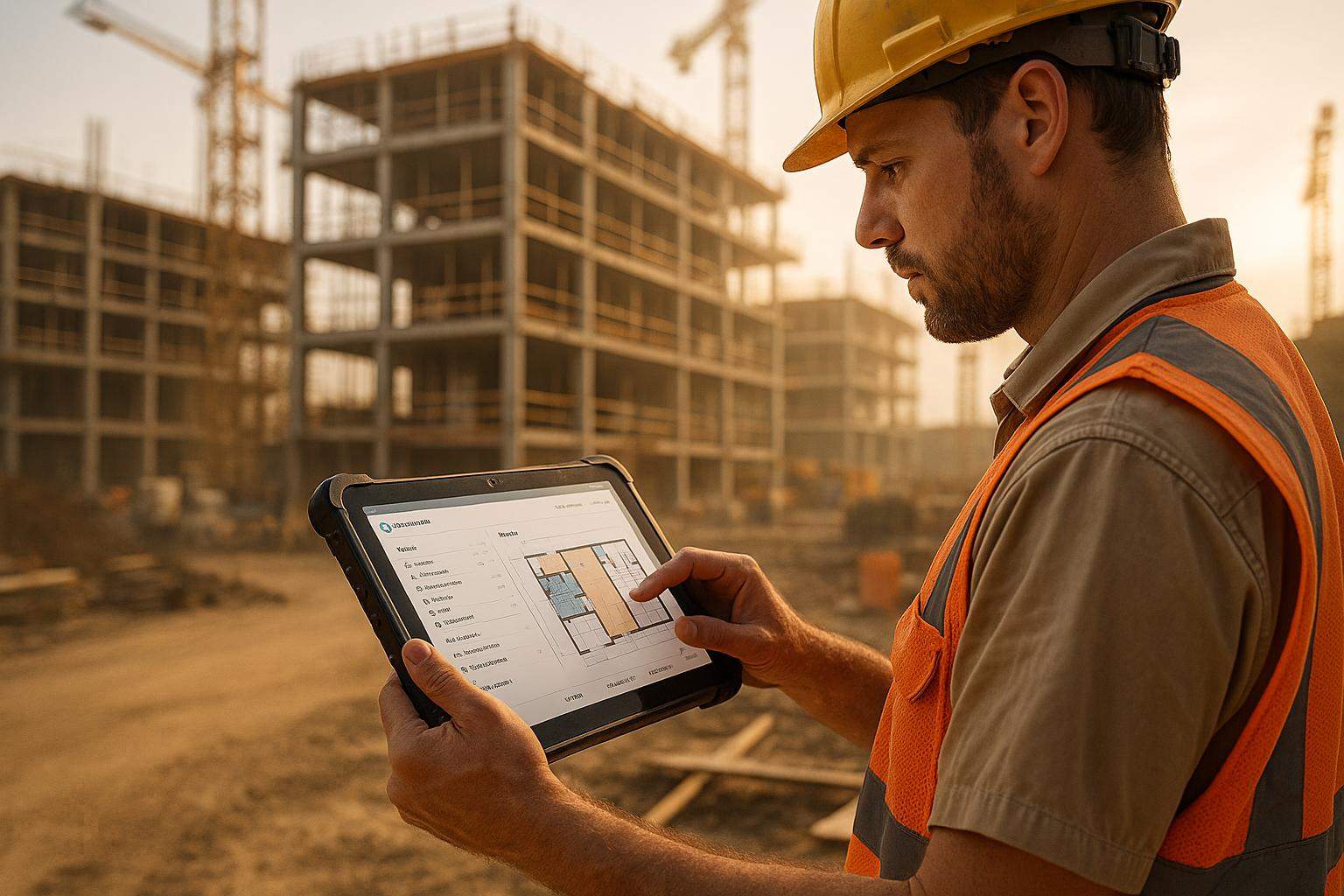
Explore how to develop construction software that excels in harsh job site conditions, ensuring reliability and efficiency even without connectivity.

Explore how pricing psychology, like the left-digit effect and charm pricing, can significantly influence SaaS conversions and customer perceptions.

Construction software must prioritize data security, access control, and compliance to protect sensitive information from cyber threats.

The developer shortage myth reveals deeper issues in hiring practices and team management, not a lack of skilled talent.
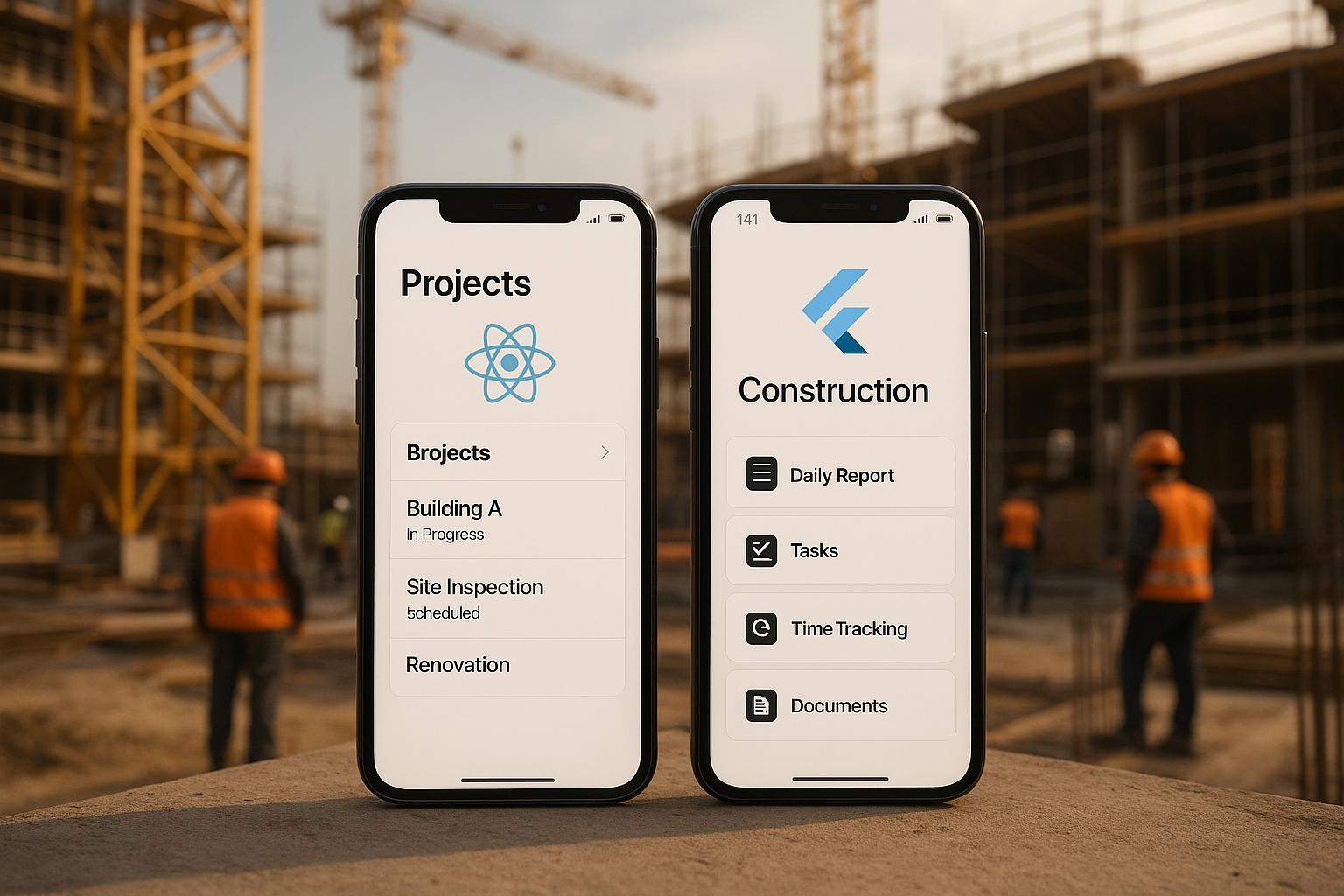
Explore the strengths and weaknesses of React Native and Flutter for mobile construction apps, focusing on performance, development speed, and UI consistency.

In 2025, VCs seek pitch decks that are clear, data-driven, and focused on proven traction and sustainable growth.

Construction software development costs significantly more than regular SaaS due to complex features, compliance needs, and integration challenges.

Explore the unique challenges behind the slower development of construction software compared to standard SaaS applications.

Transform your AI product idea into a market-ready solution in just 30 days with a structured, step-by-step approach.
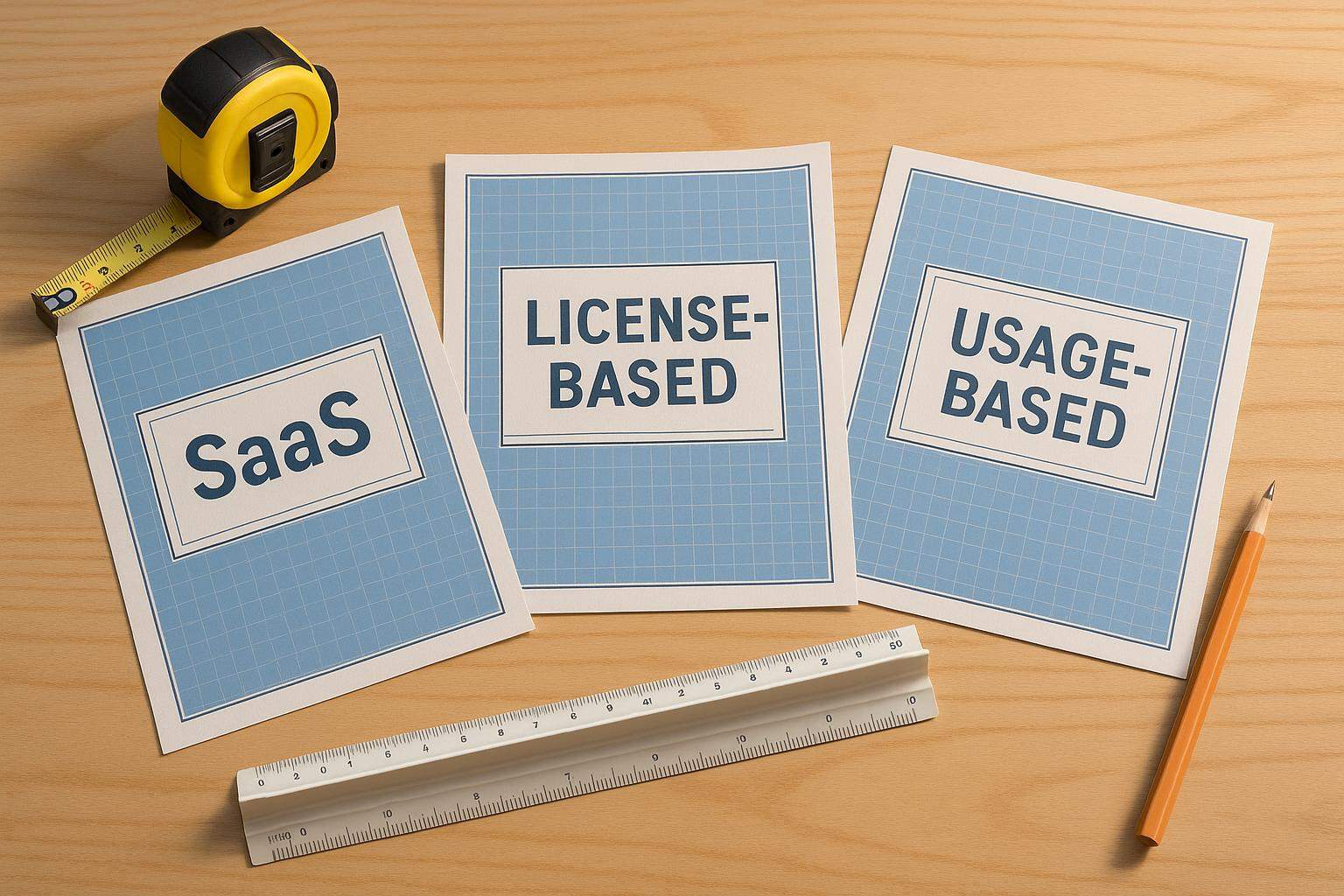
Explore the pros and cons of construction software pricing models: SaaS, license-based, and usage-based, to find the best fit for your business.

Explore how Indian development teams are reshaping Silicon Valley with their exceptional talent, cost efficiency, and agile methodologies.